0%

Nowadays, having a good portable power station can really be a total game-changer. Whether you're out camping, tailgating, or just dealing with a power outage at home, reliable energy is pretty much essential. There are tons of options out there, but honestly, not all portable power stations are made the same. Knowing which features to look for can make a big difference in helping you pick what's best for you.

Picture this: you're setting up your campsite, flicking on your solar panels, and plugging into a dependable portable power station. Suddenly, charging your gadgets or running small appliances feels super easy and hassle-free. When shopping around, look for models that offer multiple outlets and have enough battery capacity to keep things running. Some models even come with solar charging capabilities, which is pretty cool and adds to their versatility. But hey, it’s also important to consider the downsides — like how heavy some units are or how quickly their batteries run out under heavy use.

Most people say that heavy models can be a pain to carry around, and others mention that some stations don’t last very long when you're using them a lot. That’s why checking out real user reviews is so helpful — they give you a better idea of what actually works. Bottom line, the best choice usually comes down to finding a good balance between power, weight, and ease of use. So, in this guide, I’ll share some tips to help you find the perfect portable power solution tailored just for you.

Best Portable Power Station Tips for All Your Needs?

Understanding Portable Power Stations and Their Benefits

Portable power stations have gained popularity due to their convenience and versatility. They provide a reliable power source for various activities, from camping trips to emergency situations. A report from MarketsandMarkets indicates that the portable power station market is expected to grow at a CAGR of 20.6% from 2021 to 2026. This surge is fueled by the increasing demand for off-grid power solutions.

The benefits of using portable power stations are numerous. They can charge multiple devices simultaneously, a feature that's essential for outdoor adventures or power outages. Most units come with various ports, including USB and AC outlets. Users often appreciate the eco-friendliness of these devices as they typically produce no emissions. However, not all models meet high safety standards. It's important to choose units with built-in safety features to avoid potential risks.

Here are some useful tips: always assess your power needs before purchasing a station. Look for a model with a capacity that suits your requirements. Additionally, consider the weight and size, especially for travel. Remember, not every portable power station is designed for heavy-duty use. If you foresee demanding applications, do thorough research. Your choices could mean the difference between confidence and frustration in critical moments.

Best Portable Power Station Capacity Comparison

This chart illustrates the battery capacity of different portable power stations, measured in watt-hours (Wh). Understanding these capacities can help you choose the right portable power station to meet your needs, whether for outdoor activities or emergency backup power.

Factors to Consider When Choosing a Portable Power Station

When selecting a portable power station, several factors come into play. Assess your power needs carefully. Consider the devices you plan to charge; does your camping gear demand high wattage? If you aim to power a fridge or multiple gadgets, look for adequate output capacity.

Portability is key in choosing a power station. Check its weight and size. Can it fit in your vehicle with ease? A bulky unit may not be ideal for travel. Durability is another consideration. Will it withstand outdoor conditions? Look for stations with rugged designs or waterproof features, as this can make a huge difference during a rainy camping trip.

Charging options are worth examining, too. A versatile power station should offer various methods, like solar and AC, to recharge efficiently. For a reliable backup during emergencies, evaluate battery life and charging speed. Some users realize too late that their power station runs out quickly. Helps to know your unit's limits beforehand.

Consider these factors for a more informed decision when investing in a portable power station.

Different Types of Portable Power Stations on the Market

Portable power stations come in various types, each designed for specific needs. Understanding these differences can help you make an informed choice. Lithium-ion power stations are popular due to their lightweight design. They offer excellent energy density, allowing users to pack significant power into a manageable size. According to the International Energy Agency, the lithium-ion market is expected to grow by 13% annually. This growth indicates a strong demand for compact, efficient energy solutions.

Lead-acid power stations are another option. They are heavier and bulkier, but often cheaper. These units excel in stationary applications where mobility isn’t a concern. The energy capacity of lead-acid batteries is greater, but they have a shorter lifespan. Deloitte reports that the average lifespan of a lead-acid battery is approximately three to five years, compared to lithium-ion's eight to ten years. Cost is a major factor for many users, and sometimes one might overlook the long-term benefits of investing in more expensive but durable options.

Solar-powered portable power stations are gaining traction for eco-conscious users. These stations harness solar energy, making them ideal for outdoor adventures. However, their performance can be inconsistent due to weather conditions. Users have noted challenges with charging efficiency on cloudy days. While solar options have appeal, one must consider the limitations they face in varying environments. Balancing your energy needs with the right type of power station is crucial for effective usage.

How to Calculate Your Power Needs for a Portable Power Station

When considering a portable power station, calculating your power needs is essential. Begin by listing all devices you plan to power. This includes phones, laptops, and small appliances. Each device has a wattage rating. Check labels for their power requirements. This will give you a clearer picture of your energy consumption.

Next, total the wattage for all devices. It’s wise to add an extra 20% to this total. This extra capacity ensures that you won't overload the power station during use. For instance, if your total is around 500 watts, aim for a station that can handle at least 600 watts.

Consider the duration for which you’ll need power. Devices may run on batteries or directly from the station. Knowing whether you need a quick charge or prolonged use can impact your choice. Remember to think about recharge times, too. Portable power solutions often have varying recharge rates. This detail can affect your power availability during your trip or event.

Best Portable Power Station Tips for All Your Needs - How to Calculate Your Power Needs for a Portable Power Station

Device Type Power Consumption (W) Required Power Station Capacity (Wh) Estimated Usage Time (hrs)
Laptop 60 120 2
Smartphone 5 10 2
LED Light 10 20 2
Small Cooler 45 90 2
Drone 30 60 2
Game Console 150 300 2

Essential Features to Look for in a Portable Power Station

When choosing a portable power station, it's crucial to consider essential features that fit your needs. Battery capacity is one of the top factors. A higher capacity means longer usage time for your devices. If you plan to power larger equipment like coolers or tools, look for models with at least 500 Wh capacity. This ensures they can handle your demands without running out.

Another important feature is the variety of output ports. Multiple USB ports, AC outlets, and car ports add versatility. This allows you to charge several devices simultaneously. Think of a camping trip where everyone needs to charge their smartphones. A portable power station with multiple options makes life easier. Also, weigh the station’s weight and size. A more portable unit can be a blessing for outdoor activities.

Safety features shouldn't be overlooked. Look for units with protection against overload, short circuits, and overheating. They add a layer of security during use. Consider the company's reputation and user reviews as well. Real experiences often highlight strengths and weaknesses. Reflect on how often you'll use the station. If it’s just for occasional trips, a less expensive model might suffice. But if you rely on it regularly, invest in quality, even if it feels a bit daunting.

Tips for Maintaining and Caring for Your Power Station

Best Portable Power Station Tips for All Your Needs?

Maintaining your portable power station is essential for optimal performance. Regularly check the battery health. If you notice a decline in capacity, consider recalibrating. This simple step can help extend the life of your unit. Be aware that extreme temperatures can affect performance, so store your power station in a cool, dry place.

Keeping it clean is crucial too. Dirt and grime can accumulate on the surface and connectors, leading to poor functionality. Use a soft cloth and mild cleaning solution when necessary. Remember to keep the vents clear for proper airflow. A blocked vent may cause overheating, which can have lasting impacts.

Charging habits also matter. Avoid leaving your power station fully charged for extended periods. This can shorten battery life. Use it regularly to keep it in good condition. Reflect on your usage patterns and adjust accordingly. Regular maintenance will ensure your power station remains a reliable source of power for all your adventures.

Best Practices for Safe and Efficient Usage of Portable Power Stations

When using a portable power station, safety is paramount. Check the unit regularly. Look for any signs of damage or wear. Over time, batteries can degrade, affecting performance. Accidental damage can lead to hazards. Always store your power station in a cool, dry place. High temperatures can diminish battery life and efficiency.

Charging the power station properly is essential. Follow the manufacturer’s guidelines for charging times and methods. Don’t leave it plugged in longer than needed. Overcharging can create risks. Use it in well-ventilated areas to prevent overheating. It’s worth considering the power output as well. Understand the wattage limits and avoid overloading the station. This can lead to malfunction or even damage.

Finally, develop a habit of checking the remaining battery level. Many users assume it has enough charge for their needs. This assumption can lead to frustrations during crucial moments. Being proactive with maintenance and usage habits ensures a longer lifespan and reliability. Pay attention to these practices for optimal performance.

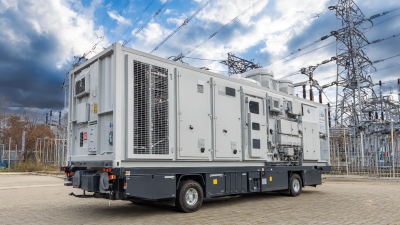
Maximizing Efficiency and Reliability: Insights from Industry Reports on HIGH OUTPUT POWER MITSUBISHI DIESEL GENERATOR 500KW-1640KW Performance and Applications

High output power diesel generators, particularly those in the 500KW to 1640KW range, are crucial in various industries due to their efficiency and reliability. These generators are designed to provide stable temporary and standby power in environments such as hotels, shopping malls, factories, and mining operations. Industry reports have highlighted that high output diesel generators are increasingly utilized not only for their power capabilities but also for their advanced digital control systems that enhance operational efficiency and reduce downtime.

Recent data indicates that diesel generators in this power range ensure optimal fuel consumption and minimal emissions. Emerging technologies within the sector focus on enhancing fuel efficiency, with many models achieving an impressive reduction in carbon output due to refined combustion processes and innovative engine designs. Reports indicate that generators can achieve fuel consumption rates as low as 200 grams per kilowatt-hour, making them cost-effective and environmentally friendly alternatives in energy solutions.

Furthermore, the integration of digital control systems allows for real-time monitoring and adjustments, promoting reliability and ensuring consistent performance even under varying load conditions. As industries increasingly prioritize sustainability, the demand for high-performance diesel generators that combine efficiency, reliability, and eco-friendliness will continue to grow, positioning these power solutions at the forefront of industrial energy applications.

FAQS

: What types of portable power stations are available?

: You can choose from lithium-ion, lead-acid, and solar-powered stations. Each type serves different needs.

What is the main advantage of lithium-ion power stations?

They are lightweight and offer high energy density. This makes them easy to transport and use.

How long do lead-acid batteries typically last?

Lead-acid batteries last around three to five years. In contrast, lithium-ion batteries can last eight to ten years.

What should I consider when calculating power needs?

List all devices and their wattage. Add an extra 20% for safety to avoid overloading.

Why is proper charging important?

Incorrect charging can harm the battery life. Always follow guidelines to prevent overcharging.

What challenges do solar-powered stations face?

Their efficiency can drop on cloudy days. Weather significantly influences their performance.

How should I maintain my portable power station?

Regularly check for damage and store it in a cool, dry place. This preserves battery life.

Why is it vital to check battery levels?

Many users forget to check levels. This can lead to frustrating power shortages at critical times.

What happens if I exceed the wattage limit?

Overloading can cause damage or malfunctions. Always stay within marked limits for safe use.

Are there risks associated with using power stations?

Yes, improperly used power stations can overheat or degrade. Regular checks and proper usage reduce risks.

Conclusion

Portable power stations are versatile devices that provide a reliable source of energy for various needs, from outdoor adventures to emergency backups. When selecting a good portable power station, it is essential to consider factors such as capacity, weight, and applicable features. Understanding your power needs is crucial, as it helps in calculating the appropriate wattage required for your devices.

Moreover, the market offers different types of portable power stations, each catering to unique requirements, making it important to identify the right fit for your situation. Always look for essential features, such as multiple output ports and quick charging capabilities. Regular maintenance and proper usage practices ensure the longevity and efficiency of your good portable power station, making it a valuable asset in any setting.

Oliver

Oliver

Oliver is a dedicated marketing professional at Jiangsu Longen Power Technology Co., Ltd., a leading generator manufacturer renowned for its expertise in the design, manufacturing, sales, installation, and service of diesel generator sets. With a power range spanning from 5KVA to 3300KVA, Longen......
Previous How to Choose the Best Silent Diesel Generator Set in 2026?