Picking the right silent diesel generator for your needs isn’t just about sticking to a checklist — it’s really about finding something reliable and efficient, whether you’re running a home setup or managing more heavy-duty industrial stuff. I came across a report from Research and Markets, and it’s pretty wild: the global market for silent diesel generators is expected to hit around $6 billion by 2027! That’s mostly because people want power that won’t keep everyone awake with noise, but still keeps things running smoothly. With that kind of growth, it’s super important to really get what you need before making a choice.
Dr. John Smith, who’s pretty much a go-to expert in power generation tech, always stresses this — not all silent diesel generators are the same. He says, “Knowing your power needs and understanding how efficient the machine is will make all the difference.” That means looking at stuff like how much power it can produce, how much fuel it uses, how loud it gets, and what kind of maintenance it needs. Take the time to weigh these factors, and you’ll end up with a generator that’s just right for you — saving money, helping the environment, and keeping things running no matter what.

Understanding Silent Diesel Generator Sets: An Overview of Benefits
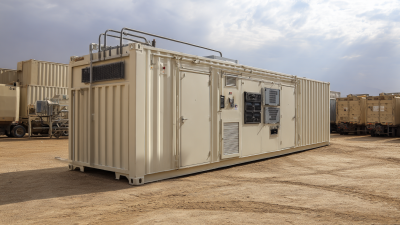
Silent diesel generator sets have gained popularity due to their efficiency and low noise levels, making them ideal for residential and commercial applications. According to recent industry reports, the global market for silent diesel generators is expected to grow steadily, fueled by the rising demand for reliable power sources in various sectors. These generator sets provide significant advantages, including fuel efficiency, longer operational life, and reduced emissions compared to traditional generators. Their soundproof enclosures can achieve noise levels as low as 60 dBA, enabling users to maintain a peaceful environment, whether in urban settings or during outdoor events.
When selecting a silent diesel generator set, it is crucial to assess your power requirements accurately. Start by calculating the total wattage of the devices you plan to operate simultaneously. This will help you determine the generator's kVA rating needed for optimal performance. Additionally, consider the fuel tank capacity, as a larger tank can prolong runtime between refueling, an essential factor for those relying on these generators during prolonged outages or events.
**Tips:** Ensure you review the maintenance schedule and availability of parts for your chosen generator model. Regular maintenance can significantly extend the lifespan of the generator and ensure it operates efficiently. Additionally, look for models with advanced features such as automatic voltage regulation and monitoring systems for enhanced performance and safety.
Comparison of Silent Diesel Generator Sets Based on Key Features
This bar chart compares different silent diesel generator sets based on their noise level (dB), fuel consumption (L/h), and power output (kW). This information can help you choose the best generator set according to your needs.
Key Factors to Consider When Selecting a Silent Diesel Generator
When selecting a silent diesel generator set, there are several key factors to consider to ensure it meets your specific needs. One of the most critical aspects is the generator's noise level, typically measured in decibels (dB). For a truly silent experience, look for models that operate below 60 dB, as this aligns with the recommendations from the U.S. Environmental Protection Agency for residential areas. Additionally, consider the unit's power output. It is essential to calculate your total power requirements, particularly if you plan to run multiple appliances or machinery simultaneously. Industry reports indicate that the average household requires between 5 kW to 10 kW, while larger operations may need upwards of 20 kW.
Another important factor is fuel efficiency and runtime. Silent diesel generators are known for their ability to run longer compared to gasoline models, with some units boasting up to 12 hours of continuous operation on a full tank at 75% load. Make sure to choose a generator that balances fuel efficiency with the power demands of your applications.
**Tips:** When evaluating a silent diesel generator, always check the manufacturer’s specifications for sound ratings and fuel consumption details. Additionally, consider the unit's maintenance requirements and availability of replacement parts, as long-term ownership can be influenced by these factors. Finally, assess the portability of the generator, especially if you plan to use it in various locations, ensuring that it meets your specific mobility needs without compromising on performance.
Power Output Requirements: Calculating Your Energy Needs Accurately
When selecting a silent diesel generator set, understanding your power output requirements is essential for ensuring that your energy needs are met efficiently. Accurate calculations of your energy demands begin with identifying the total load of all electrical devices you plan to operate. This includes not just the wattage of each appliance but also their starting or surge wattage, which can be significantly higher than their running wattage. According to industry reports, many households underestimate their energy consumption, leading to the selection of inadequately sized generators that struggle under peak loads.
To get a clearer picture, it's advisable to utilize the formula: Total Wattage = Starting Wattage + Running Wattage of all devices. For example, standard household appliances like refrigerators and air conditioners can have starting wattages that exceed their running watts by 2-3 times. The International Energy Agency (IEA) reports that average household consumption can vary greatly, with estimates ranging from 5000 to 7500 watts for a typical home under normal circumstances, considering HVAC systems, kitchen appliances, and electronics. This data underlines the importance of calculating your individual needs based on the actual devices you wish to power, ensuring the chosen generator set can deliver reliable performance in all circumstances.
Noise Level Ratings: What Defines a 'Silent' Diesel Generator?
When selecting a silent diesel generator set, understanding noise level ratings is crucial. Typically, noise levels are measured in decibels (dB), with lower dB ratings indicating quieter operation. A generator that operates around 50 to 60 dB is often considered "silent" for residential use, as it provides sufficient power while minimizing disturbances to the surrounding environment. It's essential to consider the operational conditions; some models are designed with soundproof enclosures that significantly reduce noise, making them suitable for use in urban settings or during nighttime hours.
The definition of a 'silent' diesel generator also depends on the type of technology employed. Modern generators often incorporate advanced noise-reduction features, such as sound-absorbing materials and mufflers, which enhance their silence during operation. Additionally, it's important to evaluate the generator's placement, as proper installation away from living areas can contribute to a quieter experience.
In sum, by focusing on noise level ratings and the technology used in construction, one can effectively choose a generator that meets their specific sound requirements while delivering reliable performance.
Fuel Efficiency and Consumption: Assessing Operational Costs
When choosing a silent diesel generator set, one of the most critical factors to consider is fuel efficiency and consumption, which significantly impacts operational costs. According to a report by the International Energy Agency (IEA), diesel generators typically operate at a fuel efficiency rate between 30% to 40%, depending on the load conditions and technology used.
Selecting a generator with higher efficiency not only reduces fuel consumption but also minimizes the environmental impact of emissions, which is increasingly important in today's eco-conscious market.
To assess operational costs, it's essential to calculate the total cost of ownership, which includes fuel costs, maintenance, and operational hours. A well-maintained diesel generator can run up to 10,000 hours before major overhauls, as noted in industry publications. For example, with diesel prices averaging around $3 per gallon, a generator that consumes 0.5 gallons per hour will incur fuel expenses of approximately $1,500 for 1,000 hours of operation.
Therefore, investing in a high-efficiency model may yield significant savings over time, as it can reduce fuel consumption by up to 20%, translating directly into operational cost reductions.
Understanding fuel efficiency metrics and their long-term implications can guide users in selecting a diesel generator that not only meets immediate power needs but also aligns with their budgetary constraints and sustainability goals. This informed approach is crucial for optimizing both performance and operational efficiency in varied applications.
Durability and Maintenance: Factors That Affect Longevity
When selecting a silent diesel generator set, understanding the factors that influence its durability and maintenance is crucial for ensuring a long-lasting and efficient performance. One primary aspect to consider is the quality of materials used in the generator's construction. Generators made from high-grade metals and durable components are less prone to wear and tear, ultimately extending their lifespan. Moreover, the design and engineering of the generator can significantly impact its resilience; a well-designed unit will withstand harsh conditions and prevent premature failure of its parts.
Regular maintenance is another key factor that affects the longevity of a silent diesel generator. Implementing a routine maintenance schedule, which includes changing the oil, filtering out contaminants, and checking fuel quality, can help identify potential issues before they escalate. Additionally, keeping the generator clean and ensuring it operates in optimal conditions can prevent overheating and other operational stresses. By prioritizing both the quality of the generator set and diligent maintenance practices, users can maximize the durability and efficiency of their silent diesel generator, ensuring it meets their needs effectively for years to come.
Brand Reputation and Industry Standards: Choosing Reliable Manufacturers
When selecting a silent diesel generator set, the reputation of the manufacturer and adherence to industry standards play crucial roles. Reliable manufacturers are typically those who have established a strong presence in the market and are compliant with recognized certifications such as ISO 9001 for quality management. According to a recent industry report, generators from reputable brands tend to have a failure rate that is 30% lower than those from lesser-known manufacturers. This statistic highlights the importance of choosing a manufacturer with a solid track record for reliability and performance.
Tips for selecting a manufacturer include checking for customer testimonials and case studies that demonstrate the generator’s effectiveness in real-world applications. Look for companies that actively engage with their customers and take feedback seriously, as this indicates a commitment to improvement and quality. Additionally, ensure that the manufacturer meets specific industry standards, such as those set by the American National Standards Institute (ANSI), to guarantee safety and reliability in operation.
Another essential factor to consider is the warranty and after-sales service offered by the manufacturer. A robust warranty not only shows confidence in their product but also provides peace of mind that you will receive support if issues arise. Manufacturers that invest in ongoing training for their technicians often provide better maintenance services, which can extend the life of your generator and improve overall efficiency.
FAQS
: Silent diesel generator sets offer several advantages including fuel efficiency, longer operational life, reduced emissions, and low noise levels, making them suitable for residential and commercial use.
To determine the appropriate generator size, calculate the total wattage of all devices you plan to operate simultaneously, taking into account both their running and starting wattages.
Look for models that operate below 60 dB for a truly silent experience, which is recommended for residential areas to ensure minimal disturbance.
Many silent diesel generators can operate for up to 12 hours on a full tank at 75% load, making them effective for prolonged use during power outages or events.
When evaluating fuel efficiency, consider the generator's running time on a full tank, as well as how it performs under your specific power demands to ensure it balances power output and fuel consumption.
Regular maintenance can significantly extend the lifespan of the generator and ensure it operates efficiently, helping to avoid unexpected breakdowns and costly repairs.
Look for advanced features such as automatic voltage regulation and monitoring systems, as these can enhance performance and safety during operation.
Assess the generator's weight and included mobility features to ensure that it meets your specific portability needs without compromising on performance.
A common mistake is underestimating energy consumption, leading to the selection of inadequately sized generators that struggle under peak loads. Always calculate your actual energy needs accurately.
Utilizing formulas to determine total wattage requirements based on the starting and running wattages of all devices and referring to industry standards for average household energy consumption can provide useful guidance.
Conclusion
When selecting the best Silent Diesel Generator Set for your needs, it's essential to understand the benefits these generators offer, such as reduced noise levels and efficient power supply. The selection process involves several key factors, including accurately calculating your energy needs, determining noise level ratings, and evaluating fuel efficiency to ensure manageable operational costs.
Moreover, considering durability and maintenance requirements is crucial in finding a generator that will last. Assessing brand reputation and adhering to industry standards can further guide you in choosing a reliable manufacturer. By keeping these factors in mind, you can make an informed decision that aligns with your specific energy requirements and preferences.