
When you're looking for reliable power solutions for your business, an Industrial Diesel Generator really stands out. These things are great because they provide a steady, durable source of energy that doesn't let you down. You’ll find them pretty everywhere—manufacturing plants, construction sites, you name it. And honestly, their tough design means you can count on them to keep things running smoothly, even during critical moments.
Industrial Diesel Generators are known for their high performance and can last for years. If your business's main challenge is dealing with power outages or flickering lines, this might just be a game-changer. They help keep your operations up and running without a hitch—no matter what. With a bit of regular maintenance, they can serve you well for quite a while, making them a smart, cost-effective investment in the long run.
Now, I know some people might look at the upfront cost and think, 'Wow, that's a lot.' And hey, it's true—they can be pricey at first. But honestly? When you crunch the numbers over time, the savings from lower fuel costs and fewer power interruptions usually add up. Still, it’s smart to take a good look at what your business really needs: your power demands, how you operate, all that stuff. Getting this right now can really save you headaches down the line and help keep your business protected.

Understanding Industrial Diesel Generators: An Overview
Industrial diesel generators have gained popularity due to their reliability and efficiency. These generators provide a continuous power supply, essential for businesses operating in challenging environments. They are often used in industries like construction, mining, and healthcare, where power outages can lead to significant losses.
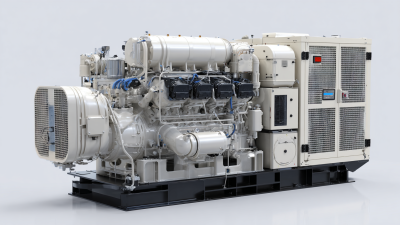
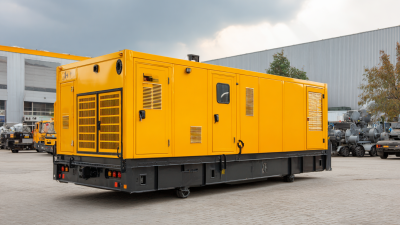
Understanding the components of industrial diesel generators is vital. They typically consist of a diesel engine, an alternator, and a control panel. The engine converts diesel fuel into mechanical energy. The alternator then transforms this mechanical energy into electrical energy. Many generators also come with soundproof casings to minimize noise, which is beneficial for businesses in urban settings. A well-maintained generator can last for decades, making it a long-term investment.
However, choosing the right generator isn't always straightforward. Business owners need to consider power output, fuel consumption, and maintenance requirements. Not all generators are created equal; some may require more frequent servicing. It's crucial to assess your specific needs and consult with experts. This ensures you select a generator that will serve your business reliably over time.

Unleashing Power: The Advantages of the Stable Performance Volvo Diesel Generator 202KW-520KW
The Stable Performance Diesel Generator offers a powerful and reliable energy solution for various applications, with a range of outputs between 202KW to 520KW. One of the standout features of this generator is its low emissions, making it an environmentally friendly choice that adheres to strict EU Stage II and III emission standards. This commitment to reducing environmental impact highlights the importance of sustainability in power generation technology.
Moreover, the diesel generator is designed with quality and safety in mind, ensuring that users can depend on its performance in demanding conditions. The engineering expertise behind its production reflects decades of experience and innovation, resulting in a product that not only meets but exceeds operational expectations. Users can benefit from efficient energy usage, leading to cost savings while still enjoying a high level of performance.
This diesel generator stands out as an ideal choice for those seeking a reliable power source without compromising on safety and environmental responsibility. With its robust construction and focus on efficiency, it is well-suited for various industries, providing peace of mind through stable performance and diligent adherence to safety standards.

FAQS
: Diesel generators offer reliable power, especially during outages. They are known for durability and efficiency.
Diesel generators deliver better runtime and fuel efficiency. Gasoline generators are lighter but not suited for continuous use.
Regular inspections are essential. Check oil levels and fuel quality to avoid major issues.
With proper care, they can last for decades. However, neglecting maintenance can shorten their lifespan.
The initial investment is high. Yet, long-term fuel savings can offset initial costs, making them cost-effective.
Frequent operation at low loads can cause carbon buildup. This impacts generator efficiency and lifespan.
Regular maintenance is generally affordable. However, unexpected expenses may arise if planning is overlooked.
Implement a proactive maintenance schedule. Train staff in basic maintenance tasks to avoid costly mistakes.
Diesel generators provide dependable power, minimizing losses in productivity for businesses.
Not necessarily. Smaller operations might not require a diesel generator's capacity or efficiency.
Conclusion
An Industrial Diesel Generator is a crucial asset for businesses requiring reliable power solutions. These generators offer numerous advantages, including fuel efficiency and robustness, making them ideal for various operational demands. In comparing diesel generators to other types, it becomes evident that their durability and cost-effectiveness set them apart, particularly in heavy-duty applications.
When choosing an Industrial Diesel Generator, businesses should consider factors such as power requirements, maintenance needs, and initial investment versus long-term operational savings. Proper maintenance practices can significantly enhance the longevity of these generators, ensuring consistent performance over time. Overall, the application of diesel generators spans multiple industries, underscoring their versatility and reliability as a power source in today’s business landscape.
Related Posts
-
Exploring Alternative Power Solutions: Beyond Diesel Generators for Sustainable Energy
-

Unleashing Power: The Versatility and Efficiency of Open Frame Diesel Generators
-

2026 Top Residential Diesel Generator Features and Benefits?
-

Why Choose Open Frame Diesel Generators for Your Power Needs?
-

Navigating the Future of Best Generator Set 250 Kva in 2025 Global Market Trends
-
5 Best 15kw Diesel Generator Options for Your Reliable Power Needs
