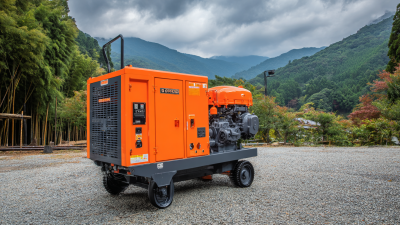
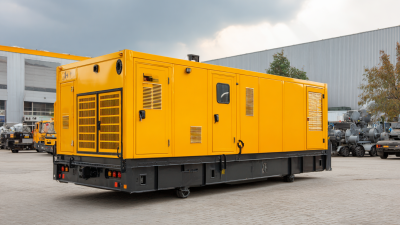
Choosing the right diesel generator for your power plant can actually be a bit more complicated than you'd think. It’s not just about picking any big machine – the decision totally impacts how efficient and reliable your operations are. A good generator can really make a difference, but let’s face it, not every option is built for every need. So, it’s worth taking a moment to consider things like how the engine performs and how much fuel it drinks up. Some models might seem cheaper upfront but could end up costing you more in the long run because they burn more fuel. Size obviously matters too – get a generator that’s too small, and it won’t handle your peak loads. But go way too big, and you’re just wasting energy and money. Don’t forget about support and maintenance either. Checking out manufacturers like Cummins or Caterpillar and what kind of support they offer can save you headaches later on. All these little details can really help you make a smart choice. Bottom line? Think carefully about what you actually need. Rushing into a decision without considering these things might lead to regrets down the line—trust me, I’ve seen it happen!
Diesel generators play a critical role in power plants. They provide a reliable backup when the primary power source fails. According to the International Energy Agency, diesel generators accounted for about 20% of global energy production in 2022. This is significant. Power plants often need a seamless transition to prevent outages. Diesel generators fulfill this need effectively.
When selecting a diesel generator, consider the load requirements. Calculate the total wattage needed during peak times. The generator should have a capacity exceeding this value. This approach ensures efficiency and longevity. Insufficient capacity can lead to overheating and premature failure.
Tip: Perform regular maintenance on your diesel generator. This improves reliability and efficiency, reducing fuel costs. Check filters, oil levels, and coolant regularly. Additionally, listen for unusual noises during operation. These might signal underlying issues needing attention.
It's crucial to review fuel consumption rates. Some generators may consume more fuel than expected. This can strain operational budgets. Moreover, emissions standards are tightening. Selecting a generator with lower emissions can be a challenge but is necessary. The future of energy demands innovation and compliance.
When selecting a diesel generator for power plants, several key factors come into play. Fuel efficiency is paramount. Reports indicate that diesel generators can achieve fuel efficiencies of around 30% to 40% under optimal conditions. This efficiency directly affects operational costs and overall sustainability. However, it’s crucial to recognize that actual efficiency can vary based on usage and load conditions.
Another important aspect is the generator's capacity. Choosing the right capacity, measured in kilowatts (kW), is vital. Oversizing can result in increased operational expenses. Conversely, undersizing can lead to performance issues. According to industry standards, it is often recommended to operate at 70% to 80% of the generator's full capacity for optimal performance. Unfortunately, many users overlook this detail, risking unnecessary costs and downtime.
Noise levels also play a role in selection. Diesel generators can produce between 70 to 100 decibels, which may not be suitable for all environments. Ensuring compliance with local regulations is essential. It's evident that the process is complex and nuanced. Potential users should prioritize meticulous evaluation of their specific needs. This reflective approach can uncover potential pitfalls in the decision-making process.
Choosing the right diesel generator for your power plant is essential. Start by evaluating your power output requirements. Calculate the total wattage needed for all operational equipment. This includes motors, pumps, and lighting. Knowing your baseline consumption is crucial.
Tip: Make a detailed list of every device that needs power. Don’t forget about starting wattage for heavy machinery. This will help in a more accurate estimate. It is also wise to account for potential future expansions. Your needs might grow.
Power generation efficiency matters too. Not all generators perform the same under load. Some may struggle with high demand. Others might offer consistent power but at a higher operational cost. It's important to reflect on your energy priorities. Are efficiency and reliability your top concerns?
Tip: Consider the generator's load factor. A lower one might work for occasional use, while a higher one is best for constant loads. Be mindful of maintenance requirements as well. Neglecting upkeep can lead to unexpected failures. Evaluate your capacity to respond to such challenges.
When choosing a diesel generator for a power plant, fuel efficiency is crucial. Poor efficiency can lead to high operational costs. It's essential to analyze how much fuel the generator consumes under different loads. A generator may perform efficiently at full capacity but struggle when demand is lower. This could inflate fuel costs unnecessarily.
Operating costs extend beyond fuel consumption. Maintenance, repairs, and parts replacement also add to the total. Some generators require frequent servicing, leading to more downtime. This is a hidden cost that many overlook. Generators with higher initial prices may offer lower long-term operational expenses. It’s vital to do the math, comparing fuel consumption and maintenance needs.
Choosing blindly can result in regret. Focusing solely on the initial price may not reflect the best value. Misjudging the load requirements can also mean wasted resources. Take time to analyze the specific needs of your operation. A careful assessment will help avoid frustration and unexpected costs. It’s essential to reflect on these aspects before making a choice.
When selecting a diesel generator for power plants, reliability is key. A reliable generator consistently provides power without frequent interruptions. Unplanned downtimes can lead to significant losses, especially during peak operational hours. Regular assessments of the generator’s performance can help detect potential issues early. This proactive approach minimizes risks and enhances overall productivity.
Maintenance requirements should also be carefully considered. Diesel generators require routine checks and services. Inspections of filters, fuel systems, and coolant levels are vital. Neglecting these tasks may lead to severe mechanical failures. Some operators overlook the importance of scheduled maintenance. This short-sightedness can result in costly repairs and reduced lifespan of generators. It’s crucial to document maintenance history for better accountability and tracking.
Incorporating real-time monitoring systems could offer insights into operational health. However, the initial investment might deter some power plant managers. Balancing reliability with maintenance costs is a constant challenge. Reflecting on these factors can lead to more informed decisions in selecting the right diesel generator.
When selecting a diesel generator for a power plant, size and capacity are crucial. They determine performance efficiency. A generator too small won’t meet energy demands. One too large may waste fuel. Finding balance is key.
Consider your peak load needs. Analyze historical data to estimate. Look at current and future energy requirements. This insight helps in choosing the right generator capacity.
**Tips:** Think about potential growth. Your energy needs might increase over time. If possible, choose a generator that can handle future demands. Efficiency matters. A well-sized generator operates more efficiently, saving you money.
Don’t overlook the environment. Noise and emissions can affect nearby areas. Sometimes, less power can mean less disruption. Reflect on your location and customer impact. It’s a balance between power and responsibility.
| Generator Size (kVA) | Maximum Output Power (kW) | Fuel Consumption (L/h) | Run Time per Tank (hrs) | Weight (kg) |
|---|---|---|---|---|
| 20 | 16 | 1.5 | 10 | 150 |
| 50 | 40 | 4.0 | 12 | 350 |
| 100 | 80 | 8.0 | 11 | 500 |
| 200 | 160 | 15.0 | 9 | 850 |
| 300 | 240 | 22.0 | 8 | 1200 |
When selecting a diesel generator for a power plant, understanding emission standards is vital. These standards regulate the pollutants that generators emit into the atmosphere. Different regions impose varied regulations depending on environmental policies. Failure to comply can lead to hefty fines and operational shutdowns. It's crucial to research these regulations relevant to your location.
Environmental considerations also play a significant role in this decision. Generators can emit harmful substances such as nitrogen oxides and particulate matter. Selecting a model with advanced filtration systems reduces these emissions. It’s encouraging to see improved technologies that minimize environmental impact. However, the cost of such generators often climbs significantly. Balancing expense and environmental responsibility can be challenging.
Moreover, consider the generator’s overall efficiency. An efficient generator not only meets standards but also conserves fuel. This reflects sustainable practices in energy production. Look for units with energy-saving features. But, not all such technologies are consistently reliable. Carrying out thorough research and seeking expert advice can help avoid pitfalls. Prioritize both compliance and environmental stewardship for effective power generation.
: The goal is to improve well-being and enhance life quality. Small, daily changes can make a significant impact.
Begin with simple adjustments in your routine. Focus on one change at a time for better results.
It's common to struggle with consistency. Reflect on your motivations and remember that progress takes time.
Yes, consider mindfulness or short exercises. Even a five-minute walk can boost your mood and energy.
Regular engagement can reduce stress and anxiety levels. Small steps often lead to greater mental clarity.
Absolutely. Short breaks or small actions can be integrated throughout your day without major disruptions.
Choosing the right Power Plant Diesel Generator is crucial for ensuring efficient and reliable electricity generation. Understanding the role of diesel generators in power plants is the first step, followed by evaluating key factors such as power output requirements tailored to specific needs. Fuel efficiency and operating costs are significant considerations, as they directly impact long-term operational expenses.
Additionally, assessing the reliability and maintenance requirements of diesel generators helps in making informed decisions while selecting the appropriate size and capacity for optimal performance. Lastly, it is essential to understand emission standards and environmental considerations, ensuring compliance with regulations and minimizing ecological impact. By carefully weighing these factors, operators can select the best Power Plant Diesel Generator to meet their operational goals.