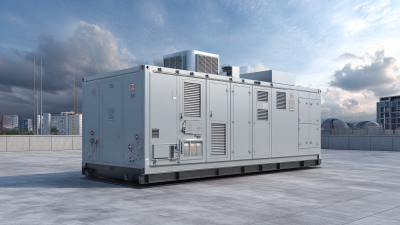
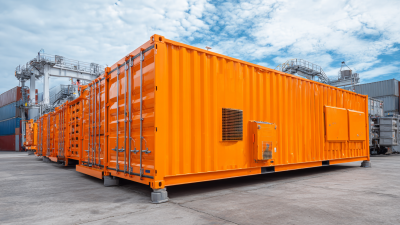
Picking the right Perkins Container Generator for your needs can honestly feel a bit overwhelming at first. With so many options out there, each suited for different jobs, it’s really important to make the right call. Take some time to think about how much power you need, what you'll actually use it for, and how much room you’ve got to work with. These generators are pretty reliable and efficient, but the key is finding the one that fits your situation best.
figure out exactly what you need first. Are you powering a construction site, or just looking for a backup for your house? Each use case calls for different specs. The Perkins Container Generators are pretty versatile, but not every model will tick all the boxes for every scenario.
Also, don’t forget to consider your budget and what you’ll need down the road. It’s a good idea to weigh efficiency against cost — sometimes going for the cheapest option might mean you end up with something that doesn’t perform quite as well as you’d like. This stuff really affects how long your generator lasts and whether you'll end up happy with your choice in the long run.

Understanding Perkins Container Generators: Key Features and Benefits
When selecting a container generator, it’s essential to understand its key features and benefits. Container generators typically offer mobility, making them suitable for various locations. Their design allows for easy transport. This versatility is vital for construction sites, outdoor events, and emergency power needs. However, not all sites are the same. Make sure to assess your specific requirements.
Fuel efficiency is another important aspect. Many generators can run for extended periods on minimal fuel. Yet, efficiency varies among models. Analyze your average power consumption to avoid over or underestimating your needs. A generator that is too powerful might waste fuel. On the other hand, one that’s too weak may not meet demands.
Noise levels can also affect your decision. Some generators operate quietly, while others can be quite loud. If you're in a residential area or a sensitive environment, noise could be an issue. It might be worth investing in soundproofing solutions. While these features sound appealing, always verify specifications and testimonials. Not all claims hold up in real-world use. Being aware of these aspects will lead you to a better choice tailored to your needs.
Assessing Your Power Requirements: Calculating Load and Capacity Needs
When selecting a container generator, understanding your power requirements is crucial. Start by calculating the total load of your devices. This includes everything from lights to heavy machinery. List all appliances you intend to use. Find their wattage ratings. Be precise; small miscalculations can lead to performance issues.
Next, consider the starting and running requirements. Certain equipment, like motors, requires extra power to start. Look for the "surge" or "startup" wattage. This factor is often overlooked, leading to inadequate generator performance. Also, account for future needs. Will you add more devices later? Planning for growth can save you headaches down the road.
Lastly, check how long you need the generator to run. Will it be for hours or days? This will affect your fuel choice and capacity. Ensure you don’t pick a generator that’s too small. You might end up needing to power down some devices. Balancing out load requirements is key. A gasket malfunction could turn your perfectly calculated setup into a costly mistake. Take the time to reflect on your specific needs before making a decision.
Evaluating Fuel Efficiency: Comparing Diesel vs. Gas Generators
When choosing a generator, fuel efficiency is critical. Diesel and gas generators each have unique advantages. Diesel generators tend to have a longer lifespan and better fuel efficiency, which can save money in the long run. Reports indicate that diesel engines can be up to 30% more efficient than their gas counterparts in certain conditions. This can make a significant difference for heavy-duty applications.
However, gas generators are lighter and easier to handle. They often start faster and deliver a cleaner burn, reducing emissions. This can be a deciding factor for those focused on environmental impact. Studies show that gas generators emit approximately 30% less CO2 than diesel engines. For many users, the choice boils down to the specific application and operational costs.
**Tip:** Consider how often you'll use the generator. For infrequent use, a gas generator may suffice. However, for daily or heavy use, investing in a diesel generator could yield better returns.
Fuel prices are variable, affecting operating costs. Diesel fuel prices can fluctuate based on crude oil prices. In contrast, natural gas has recently become more stable. Keep an eye on market trends to make an informed decision.
**Tip:** Evaluate the total cost of ownership. Don’t just look at purchase price; factor in maintenance and fuel costs over time. This holistic view will help you see the true value of your investment.
How to Choose the Right Perkins Container Generator for Your Needs? - Evaluating Fuel Efficiency: Comparing Diesel vs. Gas Generators
| Feature |
Diesel Generators |
Gas Generators |
| Fuel Efficiency |
Higher (15-20% more efficient) |
Lower (Less than 15% efficiency) |
| Fuel Cost |
Generally lower |
Generally higher |
| Maintenance |
More complex, potentially higher costs |
Typically easier and cheaper |
| Emissions |
Higher emissions |
Lower emissions |
| Lifespan |
Longer (8,000-10,000 hours) |
Shorter (3,000-5,000 hours) |
| Noise Level |
Generally quieter |
Typically louder |
Noise Level Considerations: Choosing a Silent Generator for Urban Areas
When choosing a generator for urban areas, noise level is crucial. A silent generator can make a big difference. The hum of a generator can disturb neighbors. In densely populated areas, consider sound ratings carefully. Look for models that operate below 60 decibels. This level is generally acceptable in residential zones.
Tips for selecting a quiet generator include checking for sound insulation features. Some models come with soundproofing materials that help reduce noise. Portable units may also offer quieter operations. It’s worth visiting a store to hear generators running.
Don’t overlook the power output you need. Sometimes, quieter generators may offer lower wattage. Ensure it meets your energy demands without disturbing the peace. Also, think about fuel type. Propane and solar power can be quieter options. Balancing noise and efficiency requires some reflection. The perfect generator must fit both your needs and the urban environment.
Maintenance and Support: Importance of Service Contracts and Warranty Options
When investing in a container generator, maintenance and support are crucial. Service contracts ensure timely responses to any issues. They can save you time and money. Without proper maintenance, a generator may fail during critical moments. This risk can be detrimental, especially in emergency situations.
Warranties are another essential aspect. They provide peace of mind for your investment. A comprehensive warranty covers various potential issues. However, not all warranties are created equal. Some may require you to follow specific maintenance protocols for coverage. It's important to read the fine print.
Consider the implications of neglecting support options. A generator without a solid service plan may lead to unexpected downtime. It could also increase repair costs over time. Taking these factors into account will guide you in making an informed decision for your generator needs.
Portability and Installation: Factors for Seamless Deployment in Various Locations
When selecting a container generator, portability and installation are crucial factors. The ideal generator must be easy to transport. Many operations require power in remote areas. A compact design can significantly enhance mobility. According to industry reports, about 45% of professionals cite portability as their top priority.
Seamless deployment minimizes downtime. A generator that can be set up quickly makes a difference. Features like integrated lifting points and standardized connections help speed up the process. Studies suggest that generators with straightforward installation can reduce setup time by up to 30%.
Not all generators meet these needs perfectly. Some models may be lightweight but lack durability. Others may be robust but cumbersome to move. Assessing these trade-offs is essential. Gathering feedback from users can provide valuable insights.
A generator that fits your unique needs can ultimately improve operational efficiency.
Budgeting for Your Generator: Initial Cost vs. Long-term Operational Expenses
When considering a container generator, budgeting is essential. The initial cost might catch your attention quickly. A standard container generator can range from $10,000 to $30,000. These figures vary based on size and features. However, the purchase price is just the beginning. Long-term operational expenses add up over time.
According to industry reports, the average annual maintenance cost can reach up to 15% of the generator's initial price. Fuel costs can also be a heavy burden. For instance, a generator running for 12 hours a day may consume 1 to 2 gallons of fuel per hour. That’s significant over the course of a year.
Tips for budgeting: Always factor in maintenance and fuel when calculating costs. Look for systems with higher fuel efficiency. Investing in these areas can save money in the long run. Remember, upfront savings may not always lead to long-term gains. Consider the overall operation cost before making a decision.
Regularly review your generator's efficiency. Over time, it may become less effective. Identifying these issues can prevent unforeseen expenses down the road. Balancing initial investment and ongoing costs is crucial for making wise choices in the long run.
Budgeting for Your Generator: Initial Cost vs. Long-term Operational Expenses
Exploring the Benefits and Features of the Economical and Durable Longen Diesel Generator (8KW-1000KW)
The efficient and durable diesel generator has emerged as a preferred solution for both commercial and residential power needs. With a power range from 8KW to 1000KW, these generators are designed to deliver reliable energy in various applications while ensuring economic viability. One of the standout features of these generators is their ease of maintenance. Accessible components and user-friendly interfaces streamline the upkeep process, minimizing downtime and allowing users to focus on their core activities.
Constructed from high-quality materials, these generators are built to last. When maintained properly, they offer a long service life, significantly reducing the frequency of replacements. This durability not only leads to cost savings but also contributes to a consistent power supply, which is crucial for users who rely on uninterrupted electricity. The combination of advanced technology and robust design makes these generators an excellent investment for anyone in need of dependable power solutions.
FAQS
: The product aims to improve daily routines and enhance user experience.
It is designed for a wide audience, from beginners to experts.
Users can apply the product directly, following easy instructions.
Yes, it includes unique functionalities that set it apart from others.
Users may need to assess their personal needs and preferences.
It’s compatible with several common products, enhancing versatility.
Some users report mild reactions, but these vary widely.
Store in a cool, dry place to maintain effectiveness.
Generally, a return option is available, but conditions may apply.
Feedback is encouraged, and improvements are always considered.
Conclusion
Choosing the right Perkins Container Generator involves a careful assessment of various factors tailored to your specific power needs. Key features of these generators include their robust design, which ensures reliability in different conditions, and their fuel efficiency, making them a cost-effective choice. To find the right generator, it's crucial to calculate your load and capacity requirements, as well as to compare diesel and gas options based on their operational efficiency and noise levels, particularly for urban settings.
Additionally, considerations such as maintenance support and service contracts can enhance the longevity of your Perkins Container Generator. Portability and installation logistics are equally important, especially for deployment in multiple locations. Finally, budgeting should take into account not only the initial cost of the generator but also long-term operational expenses, ensuring that your investment meets both immediate and future power needs effectively.