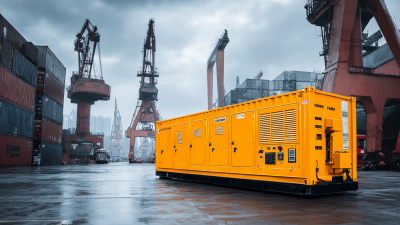
In the fast-paced world of construction, having good lighting isn’t just a luxury — it’s essential. Proper lighting ensures safety and keeps things moving smoothly on the job site. That’s where tower lights really come in—they're key for illuminating big areas, especially when working at night or in bad weather. I remember chatting with James Anderson, who’s pretty much an expert in construction site logistics, and he put it simply: “The right tower light can seriously boost visibility, cut down on accidents, and help keep the workflow on track.” It just goes to show how important it is to pick the right lighting options tailored to each project.
As more folks realize how crucial reliable lighting is, understanding the different kinds of tower lights out there has become more important than ever. From solar-powered options that are eco-friendly, to traditional diesel units that pack a punch, each type has its own perks and quirks — and that can really affect how well your project goes. In this guide, I’ll walk you through the top 10 must-have tower lights for construction sites. We’ll dive into what makes each one special, when to use them, and why they might be the perfect fit for your next build. By choosing smart lighting solutions, construction managers can make sure their sites stay safe and efficient, no matter what the weather throws at them.

Key Features to Consider When Choosing Tower Lights for Construction
When selecting tower lights for construction sites, several key features must be considered to ensure optimal performance and safety. One of the most critical aspects is illumination intensity, measured in lumens. According to the Illuminating Engineering Society, a construction site typically requires between 10,000 to 50,000 lumens for effective visibility. This range helps in minimizing accidents and ensuring that workers can see clearly even in low-light conditions. As construction schedules often extend into the night, high-lumen output becomes essential for worker safety and productivity.
Another important consideration is the power source of the tower lights. LED technology has become increasingly favored due to its energy efficiency and long lifespan, often lasting up to 50,000 hours. Reports suggest that using LED lights can reduce energy consumption by up to 75% compared to traditional lighting solutions. Additionally, versatility in power options, such as battery operation and solar energy compatibility, can be advantageous in varying site conditions, where access to electricity may be limited. Furthermore, consider the durability and weather resistance of the lighting equipment, as construction areas are often subject to harsh environmental conditions. Robust designs that can withstand wind, rain, and debris are crucial to ensuring a reliable and safe operating environment.
Types of Tower Lights Commonly Used in Construction Sites
When it comes to construction sites, tower lights are essential for ensuring safety and productivity during nighttime operations. These lights come in various types, each designed to meet specific needs and challenges.
One common type is the mobile tower light, which is equipped with adjustable legs and wheels for easy transportation and positioning. These lights typically feature high-intensity LED bulbs, offering bright illumination while consuming less energy than traditional lighting solutions.
Another popular option is the solar-powered tower light. These lights harness solar energy, making them an eco-friendly choice for long-term projects, especially in remote areas where electricity may not be readily available. With built-in batteries, solar-powered tower lights can operate throughout the night, providing reliable illumination without the need for generator support. Additionally, some construction sites opt for hybrid lighting systems, combining solar power with standard electrical sources to ensure uninterrupted lighting even on cloudy days or during extended night shifts. These various types of tower lights enhance safety and efficiency, making them indispensable on construction sites.
Top Brands Offering Reliable Tower Lights for Construction Needs
When it comes to construction sites, reliable tower lights are indispensable for ensuring safety and productivity during nighttime operations. According to a report by the U.S. Bureau of Labor Statistics, nearly 400 fatal workplace injuries occur due to insufficient lighting each year. This stark statistic underscores the importance of investing in high-quality lighting solutions. With advancements in LED technology, modern tower lights not only provide superior illumination but also offer energy efficiency, resulting in reduced operating costs over time.
Several leading manufacturers in the construction industry have recognized this necessity and developed durable, high-performance tower lights suitable for a variety of environments and applications. Research from the International Energy Agency indicates that LED lighting can lead to energy savings of up to 75% compared to traditional lighting solutions. These lights are designed to withstand harsh weather conditions, ensuring that construction teams can operate safely and efficiently regardless of external factors. Furthermore, many tower lights now come equipped with features such as adjustable brightness, automatic sensors, and even mobile capabilities, enhancing their usability on job sites and making them a worthwhile investment for construction managers looking to elevate site safety and efficiency.
Safety Standards and Regulations for Construction Site Lighting
When it comes to construction site lighting, adhering to safety standards and regulations is paramount. Proper illumination is essential not only for productivity but also for ensuring the safety of all personnel onsite. The Occupational Safety and Health Administration (OSHA) mandates that all construction sites maintain adequate lighting to minimize the risk of accidents during both day and nighttime operations. A well-lit site allows workers to navigate safely, spot hazards, and perform their tasks more efficiently, thereby reducing the likelihood of injuries.
Incorporating tower lights is a critical aspect of complying with these safety regulations. Construction managers must select lighting solutions that meet or exceed the standards set forth by OSHA and other regulatory bodies. This includes ensuring that lights are positioned strategically to eliminate shadows and poorly lit areas, which can lead to increased risk of slips, trips, and falls. Additionally, the use of LED technology is often encouraged, as it provides bright, energy-efficient lighting while minimizing heat and glare, which can cause distractions. Prioritizing compliance with safety regulations not only protects workers but also enhances the overall productivity and viability of the construction project.
Maintenance Tips for Keeping Your Tower Lights in Optimal Condition
Maintaining tower lights in optimal condition is crucial for ensuring safety and productivity on construction sites. Regular inspections are essential to identify any wear and tear or malfunctioning components. Before each use, inspect the lights for any signs of damage, such as frayed wires or cracked casings. Ensure that all connection points are secure and free from corrosion, as moisture can lead to electrical failures. Scheduling routine maintenance checks can help catch potential issues early, preventing costly repairs and ensuring that the lights perform safely and efficiently.
Another important maintenance tip is to keep the area around the tower lights clean and free of debris. Dust and dirt can accumulate on the lenses, reducing their effectiveness and necessitating more frequent bulb replacements. A simple solution is to clean the lenses regularly with a soft cloth and a mild cleaning solution. Additionally, consider implementing a maintenance log to track inspections, repairs, and replacements. This practice helps to maintain a consistent schedule and provides valuable information for improving tower light performance over time. By following these tips, you'll not only extend the life of your tower lights but also create a safer working environment on your construction site.
Energy Efficiency and Cost-Effectiveness of Tower Lights
When it comes to construction sites, the efficiency of tower lights plays a crucial role in both energy consumption and overall project costs. According to a report from the U.S. Department of Energy, approximately 30% of construction site energy use can be attributed to lighting. By implementing energy-efficient tower lights, such as LED systems, construction companies can significantly reduce their electricity usage. For instance, LED lights consume up to 75% less energy than traditional incandescent bulbs, which can result in substantial savings over time—potentially lowering energy bills by thousands of dollars annually, depending on the size and duration of the project.
Moreover, the initial investment in energy-efficient tower lights often yields long-term financial benefits. A study conducted by the Lighting Research Center noted that while high-efficiency lighting systems may have higher upfront costs, they provide lower operating costs and extended lifespans. For example, while conventional halogen lights may last around 2,000 hours, LED alternatives can operate for more than 25,000 hours, reducing the frequency and cost of bulb replacements. This longevity makes them a more cost-effective choice in the long run, ensuring that projects remain within budget while maintaining safety standards. As construction sites increasingly prioritize sustainability, understanding the impact of lighting choices on both energy efficiency and cost-effectiveness becomes essential for optimizing operations.
Top 10 Essential Tower Lights for Construction Sites
Innovative Technologies in Modern Tower Light Designs
Modern tower lights have undergone significant advancements, utilizing innovative technologies that enhance their efficiency and effectiveness on construction sites. One of the key developments is the integration of LED lighting, which not only offers superior brightness but also dramatically increases energy efficiency compared to traditional lighting solutions. LED tower lights can provide consistent illumination, ensuring that work areas are well-lit, thereby improving safety for workers and reducing the risk of accidents.
Moreover, today's tower lights often incorporate smart technologies such as remote control and automated light sensors. These features allow for easier operation and energy management. For instance, lights can be programmed to adjust their brightness based on ambient light levels, optimizing power usage while maintaining sufficient visibility when needed. Additionally, some models now come equipped with solar power options, making them more sustainable and reducing reliance on external power sources. This innovative approach not only lowers operational costs but also aligns with the growing emphasis on eco-friendly practices within the construction industry.
FAQS
: Tower lights are essential for ensuring safety and productivity during nighttime operations. They provide superior illumination, which helps prevent workplace injuries related to insufficient lighting.
Modern tower lights, particularly LED systems, can reduce energy consumption by up to 75% compared to traditional lighting solutions, leading to significant savings on electricity costs over time.
Regular inspections to check for damage, keeping the area around the lights clean, and maintaining detailed logs of inspections and repairs are vital for ensuring tower lights remain in optimal condition.
Since about 30% of a construction site's energy use can be attributed to lighting, using energy-efficient tower lights can significantly lower electricity bills, ultimately affecting the project's budget positively.
LED tower lights can last over 25,000 hours, while traditional halogen lights typically last around 2,000 hours, making LED lights a more cost-effective choice due to reduced replacement frequency and costs.
Yes, many modern tower lights include features such as adjustable brightness, automatic sensors, and mobile capabilities, making them more versatile and user-friendly for construction sites.
Keeping the area clean is essential because dust and dirt can accumulate on the lenses, reducing their effectiveness and potentially leading to more frequent bulb replacements.
Inspect for any signs of damage like frayed wires or cracked casings, ensure all connection points are secure and free from corrosion to prevent electrical failures.
A maintenance log helps to track inspections, repairs, and replacements, promoting a consistent maintenance schedule and providing insights for improving tower light performance over time.
Choosing energy-efficient lighting solutions is crucial for optimizing operations and reducing environmental impact, as it aligns with contemporary sustainability priorities in construction.
Conclusion
When selecting a tower light for construction, it is essential to consider key features such as brightness, stability, and ease of installation. Different types of tower lights are typically used on construction sites, including electric and solar-powered models, each offering unique advantages. To ensure safety and compliance, familiarizing oneself with the relevant safety standards and regulations is crucial.
Additionally, maintaining your tower lights in optimal condition involves regular inspections and timely repairs. Energy efficiency and cost-effectiveness are also vital aspects to consider, as they can significantly impact overall operating costs. Finally, innovative technologies in modern tower light designs provide advanced solutions that enhance visibility and sustainability on construction sites. By understanding these factors, you can make informed decisions when choosing a tower light for construction to meet your site’s specific needs.