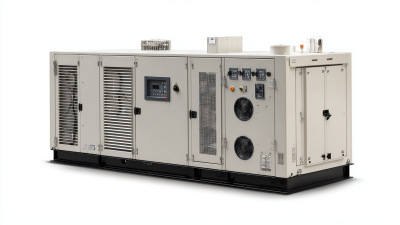
Picking out a Mitsubishi diesel generator in 2026 isn’t just about stacking up the kilowatts or comparing prices. The real trick is understanding how you’ll actually be using it — stuff like how many hours it runs, what kind of loads it needs to handle when starting up, the conditions on site, and how easy it is to get maintenance support when you need it. For example, a generator powering a remote pump station has totally different needs compared to one backing up a city office. Little details really do matter — like, if the motor starts under load, that can bump up the capacity you actually need.
This guide will walk you through how to compare standby versus prime power, figure out fuel consumption, and check things like voltage, frequency, and whether local service is available. I’ll also remind you to think about practical stuff—like dusty air, high temperatures, or limited access to spare parts—that can really impact performance. Keep in mind, specs can vary a lot depending on the model and market, so always double-check them against the latest manufacturer info before making any decisions. Oh, and a quick heads-up: there was a quote from a Mitsubishi generator expert, but no source was provided. So, I’d be cautious about citing it unless you have a verified, attributable quote—faking it would just hurt trust. Better to include an actual, checkable quote before you go to print.
When you're making a shortlist of options, make sure they align with your real load profile, not just the rosy estimates. It’s smart to ask suppliers to explain their assumptions and how routine maintenance will be handled. And don’t forget to look at the whole ownership picture — things like installation requirements and parts support. Honestly, it can feel a bit messier than the nice neat tables suggest—that’s completely normal. The key is to base your decision on real needs and ask honest questions along the way. Taking your time and thinking it through makes all the difference.
Before choosing a diesel generator, list the equipment it must run and note each item’s rated power. Separate continuous loads from equipment that starts occasionally, such as pumps, compressors, or air conditioners. Starting current can briefly exceed running demand, so add those peaks carefully rather than simply totaling nameplate ratings. Check whether your loads use single-phase or three-phase power, and confirm the required voltage and frequency. Small details matter.
Build a realistic load profile: record which machines run together, for how long, and during which hours. This helps distinguish essential loads from equipment that can wait during an outage. Allow reasonable capacity for future additions, but avoid oversizing; lightly loaded operation may reduce efficiency and affect maintenance needs.
Fuel autonomy also matters. Estimate the hours required between refills, then consider access, storage, and delivery conditions at the site. Heat, altitude, dust, and limited ventilation can influence available output, so share these conditions with a qualified generator technician. A spreadsheet estimate is useful, but it is not a load test. I would revisit the numbers after observing a typical operating day, because real schedules are often messier than the first plan.
Choosing a diesel generator starts with a load schedule, not a guess based on building size. List each essential appliance or machine, its running kilowatts, and its power factor. Add the loads expected to operate at the same time. For example, an 18 kW load at 0.8 power factor needs 22.5 kVA before motor-starting demand is considered. The U.S. Department of Energy’s 2014 motor-systems sourcebook estimates that motor-driven systems use 54% of electricity in U.S. manufacturing. That makes pumps, compressors, and their startup requirements especially important to check.
A practical estimate might add 20% planning headroom to that 18 kW load, giving 21.6 kW. At 0.8 power factor, that is 27 kVA. Treat this as a starting point, not a final specification. A motor’s locked-rotor current can cause a brief surge, so confirm its nameplate data and test the largest expected load step. Also check altitude and ambient temperature derating. ISO 8528-1 distinguishes standby and prime power ratings; compare the rating that matches your actual duty cycle.
Tips: Keep separate kW and kVA totals. Confirm whether loads start together. A tidy spreadsheet helps, but field measurements may reveal missed loads. That gap is real. Recheck assumptions with a qualified generator technician before ordering.
Use this planning guide to compare estimated site loads with a suitable generator rating. The examples are illustrative load scenarios, not equipment specifications; calculate your actual loads before selecting a generator.
| Application | Typical Loads | Estimated Running Load (kW) | Estimated Peak Load During Motor Start (kW) | Minimum Calculated Rating (kVA) | Suggested Standard Rating (kVA) | Rated Output at 0.8 Power Factor (kW) |
|---|---|---|---|---|---|---|
| Small site or remote cabin | Lighting, refrigeration, small pump, and power tools | 12 | 22 | 34.4 | 40 | 32 |
| Workshop | Lighting, air compressor, extraction fan, and bench equipment | 32 | 55 | 85.9 | 100 | 80 |
| Farm or agricultural site | Irrigation pump, ventilation fans, refrigeration, and lighting | 50 | 82 | 128.1 | 150 | 120 |
| Commercial building | Lighting, lifts, water pumps, ventilation, and office equipment | 80 | 120 | 187.5 | 200 | 160 |
| Construction site | Welders, compressors, pumps, site lighting, and tools | 110 | 165 | 257.8 | 300 | 240 |
| Small industrial facility | Process motors, air compressors, pumps, and control systems | 180 | 260 | 406.3 | 450 | 360 |
Allow for site-specific conditions such as altitude, ambient temperature, load growth, nonlinear equipment, and required starting performance. Confirm the final selection with a qualified generator professional using an itemized load list.
Before buying a diesel generator, verify that the engine and generator set are a documented match. Ask for the engine model, serial number, alternator model, and complete set identification. Compare those details with the nameplates and the supplier’s written specification. A polished canopy proves very little.
Check that the quoted output is continuous-rated, not only a short-duration standby figure. Confirm voltage, frequency, phase, and rated power against the equipment you will run. These details should agree across the nameplates, test report, and quotation. Small mismatches matter. For example, a workshop expecting three-phase power may not suit a single-phase configuration, even when the advertised kilowatt figure looks adequate.
Request a factory or load-bank test record showing stable voltage and frequency under load. Ask how the set handles starting surges from pumps, compressors, or other motor-driven equipment. Inspect cooling components, wiring, control panel labels, and service access; cramped layouts can make routine maintenance frustrating. Check which parts are supplied with the unit and whether replacement filters and technical documents are available. I would not rely on a verbal assurance alone. Paperwork can be incomplete, and that is worth resolving before payment.
When comparing a diesel generator, ask for measured fuel use at 25%, 50%, and 75% load—not one headline figure. U.S. Energy Information Administration conversion data puts diesel at about 137,000 Btu per gallon. That helps explain why small changes in engine efficiency matter over long operating hours. Request liters per kilowatt-hour from a witnessed load test, and compare like with like. Numbers need context. Ambient heat, altitude, and aging filters can all shift consumption.
Emissions deserve the same scrutiny. The U.S. Environmental Protection Agency’s 2004 nonroad diesel rule described Tier 4 reductions of up to 90% for particulate matter and 50% for nitrogen oxides, compared with earlier standards. Ask which emissions controls are fitted and how they perform during the expected duty cycle. A specification sheet cannot show every real-world condition. That comparison is imperfect.
Control features can make routine operation safer and easier to verify. Look for clear alarms, dated fault logs, remote status reporting, and load records that operators can export. Check whether the controller flags high coolant temperature, low oil pressure, and battery faults before a start is attempted. Test it under load. I would also inspect the screen in bright daylight and confirm that backup operation is understandable; these small details are easy to overlook.
Start with the actual load, not the generator’s headline rating. List essential equipment and note motor-starting surges, including pumps and refrigeration. The U.S. Energy Information Administration reported that customers averaged 5.5 hours of power interruptions in 2022, including major events. That figure can help frame backup needs, but your site may differ. Measure available space, access for maintenance, ground stability, drainage, and distance from occupied areas. Small gaps matter.
Plan installation around exhaust, fuel supply, ventilation, vibration, and safe servicing. For temporary generators, CDC guidance says to operate them outdoors at least 20 feet from doors, windows, and vents, with exhaust directed away. Fixed installations need clearances designed for that equipment and site; confirm applicable codes and have qualified professionals handle electrical connections and transfer equipment. Do not guess. A tidy layout is not proof of safe airflow, and site assessments can miss things.
Tip: Photograph the proposed location, then check it during rain and with service panels open. Keep exhaust away from air intakes, and leave a clear route for technicians. Verify load calculations, fuel arrangements, grounding, and local permit requirements before installation. If one detail remains uncertain, pause and get it reviewed. That is not wasted time.
A diesel generator is only as dependable as the service plan behind it. Check the warranty’s start date, coverage period, and exclusions for labor, travel, batteries, and routine consumables. Ask whether commissioning and scheduled inspections are required to keep coverage valid. Get the answer in writing. A low purchase price can look attractive until a technician must travel several hours for a small replacement part.
Supplier support deserves the same scrutiny as the engine specification. Ask for the nearest qualified technician, typical response time, and local stock levels for filters, belts, sensors, and starter components. Request a sample maintenance log and a clear escalation contact for after-hours faults. Uptime Institute’s 2024 outage analysis reported that 54% of surveyed data-center operators’ most recent significant outages cost more than $100,000. That figure does not represent every generator site, but it shows why delayed support can become an operational cost.
Compare service commitments, not just warranty length. Confirm who performs load-bank testing, how often visits occur, and whether travel and diagnostic fees are included. Keep records of oil changes, coolant checks, and test results; these details can help resolve warranty disputes. I would still question any promise of “rapid support” without a stated response window. The wording is easy; the local parts shelf is harder to verify.
Estimate Total Ownership Costs for 2026
A generator’s purchase price is only the opening figure. For a realistic 2026 budget, include delivery, installation, electrical connections, permits, and any required fuel storage. Site work can change the estimate quickly: a concrete pad, longer cable runs, or sound control may add substantial costs. Compare quotations with the same output rating, standby or prime-duty use, and included equipment. Small details matter.
Next, estimate fuel from expected operating hours, average load, and local fuel prices. A lightly loaded unit may use fuel less efficiently than expected. Add scheduled servicing, oil and filter changes, coolant, batteries, and eventual component repairs. Check the maintenance schedule for the specific model; service intervals and parts costs vary. Include downtime in your planning, too. A spreadsheet can still miss an inconvenient repair.
Tips: Ask suppliers for itemized installation and service estimates. Record your expected annual hours and typical load, then test a low-use and high-use scenario. Keep a contingency reserve; it is easy to underestimate small recurring expenses.
Compare estimated costs for three generator sizes. Figures are illustrative USD estimates, not supplier quotes.
Estimates assume 500 operating hours per year at 75% load, diesel at $4.00 per gallon, and five years of ownership. Fuel use is estimated at 4, 7.5, and 14.5 gallons per hour for the 50 kW, 100 kW, and 200 kW units, respectively. Equipment and installation and routine maintenance are planning estimates; actual costs vary by location, configuration, load profile, and service requirements. Choose a size that meets peak demand without routinely operating far below its efficient load range.
For demanding sites, a 500–1,640 kW diesel generator should be selected around the load it must actually carry—not simply its maximum rating. Hotels and shopping malls need dependable standby power for essential systems, while factories and mines may require continuous or temporary supply for large motors and changing loads. Allow for starting surges, future expansion and site conditions, and check whether digital controls support clear monitoring, alarms and coordination between units. Correct load matching helps avoid operating a generator inefficiently at persistently light loads.
Fuel efficiency matters when equipment runs for extended periods. The U.S. Energy Information Administration gives diesel fuel an energy content of about 137,381 Btu per gallon, a useful reference when estimating consumption and operating costs; actual burn rates depend on engine design, load and maintenance. Efficient combustion and an optimized engine can reduce fuel use per unit of electricity, while lower fuel consumption can also reduce associated carbon emissions. Emissions performance still depends on the complete system and its operating conditions.
For projects that can use recovered heat, the U.S. Department of Energy’s reciprocating-engine combined heat and power fact sheet reports total system efficiencies of roughly 70–80% under suitable configurations. This figure applies to CHP systems, not to electricity-only generator operation. Compare fuel curves at expected loads, standby and prime ratings, service intervals, digital protection features and support availability before choosing a high-output unit for a hotel, mall, factory or mine.
List each machine’s rated power and note which ones run continuously. Record starting surges from pumps, compressors, and air conditioners. Small details matter.
Match the generator’s output to your equipment’s requirements. Check whether machines need single-phase or three-phase power, and confirm voltage and frequency.
Add the loads that operate together, including starting surges. Allow room for realistic future additions, but avoid excessive capacity. Bigger is not always better.
Estimate operating hours between refills, then consider average load, fuel access, storage, and delivery. Heat, altitude, dust, and limited ventilation can affect output.
Measure available space and check ground stability, drainage, maintenance access, and distance from occupied areas. Leave a clear route for technicians. A tidy site can still have poor airflow.
Operate it outdoors at least 20 feet from doors, windows, and vents. Direct exhaust away from buildings and air intakes. Do not guess.
Include delivery, installation, electrical connections, permits, fuel storage, and site work. A concrete pad or longer cable run can change the estimate quickly.
Track expected annual hours and typical load. Include fuel, scheduled servicing, oil, filters, coolant, batteries, repairs, and downtime. A spreadsheet can miss an inconvenient repair.
Compare your plan with a typical operating day and note which machines run together. My first estimate may be wrong; real schedules get messy.
Choosing a Mitsubishi Diesel Generator in 2026 starts with understanding how much power your equipment needs, when it will operate, and whether it will serve as a primary or backup supply. Estimate both continuous and peak demand, then select a capacity that can handle startup loads without being unnecessarily oversized. Review the engine and generator configuration, output characteristics, fuel consumption, emissions information, and available control features to ensure the set matches your operating priorities.
Before making a decision, assess the installation location, ventilation, access, noise considerations, and applicable safety requirements. Compare maintenance schedules, warranty terms, parts availability, and the level of technical support offered by the supplier. Finally, look beyond the purchase price: include fuel, servicing, installation, and expected operating costs in your estimate of total ownership. A careful comparison of these factors can help you choose a reliable generator that fits your needs and budget.