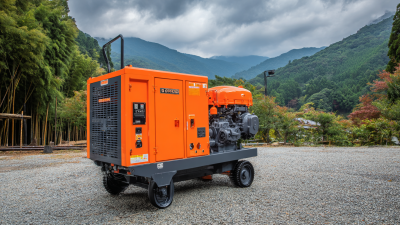
An industrial diesel generator is pretty much a must-have in a lot of different industries. It’s that reliable backup power you can count on when things go dark. John Smith, who’s a well-known expert at PowerTech Solutions, puts it like this: “These generators are really the backbone of a lot of industrial operations.” They keep everything running smoothly during outages and power dips. Basically, these generators work by turning diesel fuel into electricity, which sounds simple enough, but there’s more to it than meets the eye.
Getting a good grasp of how they operate is kind of important. They use a combustion engine that converts fuel into motion, spinning a rotor that then generates electricity. It might sound pretty straightforward, but the real-world mechanics can get complicated. Not all diesel generators are a one-size-fits-all solution either. Some might use more fuel than you'd expect, which can end up costing quite a bit in the long run.
Picking the right industrial diesel generator isn’t something you want to rush. Things like size, capacity, and what you actually need it for should all be carefully considered. If you pick the wrong one, you could end up with inefficiencies or even unnecessary downtime. That’s why it’s so important to plan carefully and make informed choices when it comes to your industrial power setup.
An industrial diesel generator is a powerful machine used to produce electricity. It typically consists of a diesel engine and an electric generator. This combination allows it to convert diesel fuel into mechanical energy. The process starts when the engine burns diesel, creating energy that powers the generator.
These generators are essential in various industries. They provide backup power during outages. Some construction sites use them for continuous power. Their efficiency is well-known, but they do have downsides. They can be noisy and produce emissions. Maintenance is also a concern. Regular checking is important to ensure they run smoothly.
Users sometimes overlook fuel efficiency. In some cases, the generator may consume more fuel than expected. This leads to higher operational costs. Additionally, placement is vital. A generator located too close to operations can cause safety issues. Careful planning can help mitigate these challenges.
| Feature | Description |
|---|---|
| Power Output | 100 kW to 2500 kW |
| Fuel Type | Diesel |
| Starting System | Electric Start |
| Efficiency | 75% to 90% |
| Cooling System | Water-cooled |
| Typical Applications | Construction, Mining, Hospitals, Data Centers |
| Maintenance Frequency | Every 500 hours of operation |
| Noise Level | 75 dB to 100 dB at 7m |
An industrial diesel generator provides reliable power in various settings. Each generator consists of key components that ensure its functionality. The main parts include the engine, alternator, fuel system, cooling system, and control panel. The engine converts diesel fuel into mechanical energy, while the alternator transforms this energy into electrical power.
The fuel system plays a critical role. It stores and delivers diesel to the engine. The efficiency of this system can greatly impact fuel consumption. Reports estimate that well-maintained industrial generators can achieve fuel efficiency ranging from 30% to 40%. However, poor maintenance often leads to higher operational costs.
The cooling system is equally essential. It prevents the engine from overheating during operation. Some facilities overlook this component, leading to equipment failure. Regular checks can identify leaks or blockages, improving overall performance. The control panel monitors the generator’s operation and alerts users to issues, but it can be complex. Operators must be trained to read these systems accurately, or they risk operational downtime.
Diesel generators are essential for producing electricity in various industries. They convert mechanical energy into electrical energy through a series of specific processes. The process begins when diesel fuel is injected into the engine's combustion chamber. Here, it mixes with air and ignites, causing a controlled explosion. This explosion pushes the pistons, which ultimately turns the crankshaft to generate electrical power.
According to industry reports, diesel generators can achieve efficiencies of up to 45%. However, efficiency is influenced by several factors like load levels and maintenance practices. When operating under full load, these generators can supply power reliably for long periods. Nonetheless, under partial loads, the engine may not perform optimally, leading to fuel wastage.
The generator's alternator converts the mechanical energy from the crankshaft into electrical energy. This transformation involves electromagnetic induction, with the rotor spinning inside a magnetic field. The generated electricity is then delivered through the grid or to specific sites. While diesel generators are robust, they do produce emissions and noise. Understanding their limitations is crucial, especially for industries aiming for sustainability.
Industrial diesel generators are critical for providing reliable power in various settings. Their functionality relies heavily on the working principle of diesel engines. These engines convert fuel into mechanical energy, which ultimately produces electricity.
At the heart of this process is the combustion of diesel fuel. In the cylinders, a mixture of air and diesel vapor ignites due to high pressure. This explosion pushes the pistons down, generating rotational force. As the pistons move, they turn the crankshaft, which is connected to the generator. This mechanical energy is then transformed into electrical energy through electromagnetic induction.
One must consider that maintaining an industrial diesel generator requires diligence. Regular checks for fuel quality and engine wear can prevent operational failures. Sometimes, users overlook basic maintenance, leading to inefficiencies. Fuel leaks or air filters becoming clogged can severely impact performance. It's crucial to evaluate these factors frequently to ensure optimal operation and a steady power supply.
Industrial diesel generators are essential in various fields. They provide a
reliable power source, especially in locations without grid access. Industries like
construction and mining often rely on them.
These generators power heavy machinery and lighting for night operations. In remote areas, they are invaluable for
maintaining productivity.
Healthcare facilities also benefit from diesel generators. They ensure that
essential equipment remains operational during outages. Hospitals can provide continuous care without interruptions. In agriculture, these
generators support irrigation systems and farm equipment. During critical times, like harvest, having a
reliable power source is crucial.
Despite their advantages, diesel generators have downsides. They emit
pollutants and can be noisy. Proper placement and maintenance are vital to minimize
their impact. Not all locations have the infrastructure for maintenance. Operators sometimes overlook these challenges.
Balancing efficiency and environmental responsibility remains an ongoing dilemma.
Diesel generators are increasingly popular in various industries for their reliability. They provide a steady power supply, especially in remote locations. This reliability is crucial for businesses that depend on continuous operations. Unlike other power sources, diesel generators can function without interruptions. They are self-sufficient and don’t rely on external electricity grids.
Another advantage of diesel generators is their efficiency. They offer a high power-to-fuel ratio. This means they can run for longer periods with less fuel, reducing operational costs. In situations where power costs are high, this efficiency can be a game-changer. Furthermore, diesel generators tend to have a longer lifespan compared to other types.
However, it's important to consider maintenance. Regular servicing is needed to ensure they run smoothly. Neglecting maintenance can lead to unexpected breakdowns. This requires businesses to allocate time and resources for upkeep. Additionally, while diesel generators are effective, they can also produce noise and emissions. Some may find this to be a drawback, especially in urban settings. Balancing the benefits with these considerations is essential for making informed decisions about power supply.
Maintaining a diesel generator is crucial for its efficiency and longevity. Regular checks should be a part of your routine. Monitor oil levels frequently; low oil can lead to breakdowns. Inspect fuel systems for leaks. A small leak can become a big problem. Clean or replace air filters regularly. Clogged filters reduce performance and can cause overheating.
Safety is another vital aspect. Always ensure proper ventilation when operating the generator. Exhaust fumes are dangerous. Keep the area around the generator clear of obstructions. Avoid flammable materials nearby. It’s important to use proper personal protective equipment while working on or near the generator.
Many overlook the significance of routine maintenance. Neglecting this can lead to costly repairs. Take time to log maintenance activities. Documenting details helps identify recurring issues. Reflecting on past maintenance, you may find patterns that need addressing. A proactive approach prevents emergencies and ensures the generator runs smoothly.
: Many products, like clothing and electronics, can be found online. Other popular items include beauty products and home goods.
Always shop from reputable websites. Check for secure payment options and customer reviews before making a purchase.
Contact the seller immediately. Provide photos of the damage. Most sellers have policies for returns or refunds.
Mobile shopping can be safe. Use trusted apps and avoid public Wi-Fi networks when entering sensitive information.
Many forget to check shipping costs. These fees can significantly increase the total price of the item.
Most sellers provide tracking numbers. Check your email or the seller's website for updates on delivery status.
Use the "forgot password" function. Follow the prompts to reset your password for secure access.
It depends on the seller's policy. Act fast and contact them promptly to request any changes or cancellations.
Good customer service helps resolve issues quickly. Poor service can lead to frustration and unresolved problems.
Sellers may notify you or offer alternatives. Sometimes, waiting for restock is an option, but it varies by seller.
An Industrial Diesel Generator is a robust power supply solution designed to meet the electricity demands of various industries. This type of generator comprises key components such as the diesel engine, alternator, and control panel, which work together to convert diesel fuel into electrical energy. The working principle is based on the diesel engine's combustion process, where fuel is ignited to create mechanical energy, which is then transformed into electrical energy by the alternator.
Industrial Diesel Generators find applications in numerous sectors, including construction, manufacturing, and healthcare, providing reliable power during outages or in remote locations. Their advantages include fuel efficiency, durability, and the capability to handle heavy loads. However, regular maintenance and adherence to safety tips are essential to ensure optimal performance and longevity of these generators, making them a preferred choice for many industrial operations.