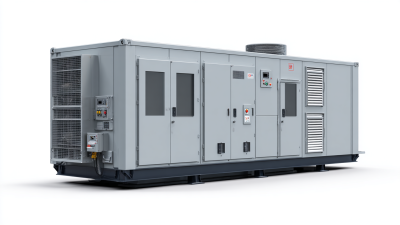
Lately, more homeowners are getting interested in sustainable energy options, and off-grid solar power systems are definitely catching a lot of attention. I was talking to John Smith, a top expert in renewable energy over at Solar Innovations, and he mentioned something pretty cool: "Off-grid systems give homeowners the chance to really take control of their energy needs." Honestly, that idea of being self-reliant really strikes a chord with a lot of people.
But here’s the thing — these systems aren’t just about cutting costs. They’re part of a bigger shift toward independence and self-sufficiency. Just imagine being able to generate your own electricity without depending on the grid. Sounds pretty awesome, right? Still, it’s worth remembering that setting up and maintaining these systems isn’t always a walk in the park. There can be some tricky parts, so it’s important to think about whether the benefits outweigh the potential challenges.
Sure, owning an off-grid solar setup sounds ideal, but it also means you need to be ready for the commitment. Sometimes, storage batteries might not be enough if your energy needs spike. So, ask yourself — are you prepared for some of the trade-offs? The more you learn about these systems, the better your chances of making an informed decision that really suits your lifestyle.

Benefits of Off Grid Solar Power Systems for Homeowners
Off-grid solar power systems offer numerous benefits for homeowners seeking energy independence. Reports by the National Renewable Energy Laboratory indicate that residential solar systems can reduce electric bills by 50% to 80%. This significant savings can recoup installation costs in just a few years. Furthermore, off-grid systems can enhance property value, with solar-equipped homes typically selling for about 4% more than similar homes without solar.
Choosing off-grid solar can also provide reliability in remote areas. Many rural homeowners struggle with high energy costs and unreliable grid access. These systems allow for a sustainable energy source. In fact, studies show that approximately 20% of homeowners in rural areas are considering going off-grid due to energy uncertainties. However, it’s essential to evaluate your energy needs thoroughly. Sizing your system incorrectly can lead to inadequate power generation or excessive costs.
While there is excitement about off-grid living, potential challenges exist. Homeowners must factor in maintenance and initial investment costs. In some cases, learning curves can be steep. System upgrades may be necessary as energy demands change over time. Proper planning ensures a smooth transition into self-sufficiency. The benefits are clear, but the commitment should not be taken lightly.
Key Components of Off Grid Solar Power Systems
Off-grid solar power systems offer an independent energy solution for homeowners. These systems often include solar panels, inverters, batteries, and charge controllers. Each component plays a crucial role in ensuring efficient energy production and storage. For instance, solar panels convert sunlight into electricity. A well-placed panel can generate 1 kWh of electricity per day per 300 watts in optimal conditions.
Batteries are vital for off-grid systems. They store surplus energy for cloudy days or nighttime usage. Studies show that lithium-ion batteries provide higher efficiency and longer life spans than traditional lead-acid batteries. In fact, modern lithium batteries can last up to 10 years, significantly reducing replacement costs. However, they can be expensive. This leads many to rethink their initial investment versus long-term savings.
Inverters are responsible for transforming direct current (DC) from solar panels and batteries into alternating current (AC) for household use. Most appliances require AC power, making this component essential. Depending on the load, inverter size can vary widely. Choosing the right inverter matters. An oversized inverter may waste energy, while an undersized one can lead to system failures. Reflecting on these components can guide homeowners toward a more sustainable and self-sufficient lifestyle, even if initial challenges may arise.
How Off Grid Solar Power Systems Work
Off-grid solar power systems function by harnessing sunlight to generate electricity. These systems typically include
solar panels, an inverter, and battery storage. When sunlight hits the panels, it generates direct current (DC) electricity.
This electricity then converts to alternating current (AC) through the inverter, making it usable for household appliances. Data indicates that over
2.5 million homes in the U.S. have adopted solar power systems, with the number steadily increasing.
Storage is crucial in off-grid systems. Batteries store excess energy for use during nighttime or cloudy days. However, choosing the right battery system
is often challenging. Not all batteries perform equally. Lithium-ion batteries offer high efficiency but come at a premium cost. Reports suggest that
while they typically last 10 to 15 years, less expensive lead-acid batteries may only last 3 to 5 years. This can lead to increased maintenance costs over time.
Implementing an off-grid solar power system can be rewarding but comes with its complexities. Homeowners must consider local sunlight availability and seasonal variations. Some systems may struggle during extended rainy periods, highlighting the importance of proper sizing and backup options. Making the switch requires careful planning and might lead to unexpected challenges. However, the long-term benefits often outweigh these initial hurdles.
Cost Considerations for Off Grid Solar Power Installations
When considering off-grid solar power systems, cost plays a vital role. Initial installation can be high. You might need to invest in solar panels, batteries, and inverters. The price can fluctuate based on your location. An average system may cost between $15,000 and $30,000. You should conduct a thorough cost analysis.
Maintenance costs can also add up. Keeping the system in good condition is essential. Regular checks on the batteries and panels are necessary. Neglecting maintenance could lead to increased costs later. However, long-term savings on utility bills can offset initial expenses. This aspect needs careful thought.
You should also factor in potential savings from government incentives. Many regions offer tax breaks or rebates. These benefits can significantly reduce overall costs. Still, the process can be confusing. Not all incentives apply to every area. Researching local laws can be overwhelming but necessary for accurate planning.
Potential Challenges of Off Grid Solar Power Systems
Off-grid solar power systems can be appealing, yet they come with notable challenges. A primary concern is the initial cost. Installing a comprehensive system can be expensive. Homeowners must factor in panels, batteries, and inverters. This upfront investment can deter many. Non-ideal weather can also affect performance. Gray skies and heavy rain limit solar energy generation. You may find yourself relying on backup systems more often than expected.
Tips: Assess your energy needs carefully. Understand how much power you really use. This will help in choosing the right system size. Consider creating a detailed energy consumption chart. This can guide your decisions and set realistic expectations.
Another challenge is maintenance. Off-grid systems require regular upkeep. Batteries need replacement every few years. This is an additional expense homeowners might overlook. Keeping panels clean is essential for performance. Dirty panels generate less energy. You might need to climb on the roof to ensure they are clear.
Tips: Schedule routine inspections. Develop a maintenance plan that suits your lifestyle. Factor in maintenance costs when planning your budget. Remember, consistent care can prolong the life of your system.
Maintenance and Upkeep of Off Grid Solar Power Solutions
Off-grid solar power systems offer homeowners energy independence. However, maintenance is crucial for long-term efficiency. Studies show that proper upkeep can increase system lifespan by up to 25%.
Regular inspections are vital. Check connections and wiring at least once a year. Dust and debris can reduce performance by 20%. In some cases, solar panels need professional cleaning. This ensures maximum sunlight capture and energy output.
Batteries are another focus area. They require periodic checking to ensure optimal charge cycles. A report by the National Renewable Energy Laboratory indicates that battery health affects energy storage capacity significantly. Neglecting battery maintenance can lead to decreased system reliability.
Homeowners must face challenges. Weather conditions can impact solar performance. Unexpected storms may damage panels. It’s essential to have a contingency plan and consider insurance. Maintenance is not straightforward, but it’s necessary for a successful off-grid system.
Why You Should Consider Off Grid Solar Power Systems for Your Home - Maintenance and Upkeep of Off Grid Solar Power Solutions
| Maintenance Task |
Frequency |
Estimated Time (Hours) |
Notes |
| Clean Solar Panels |
Every 6 months |
1-2 |
Use soft cloth and water |
| Inspect Wiring and Connections |
Annually |
1 |
Look for wear or corrosion |
| Check Battery Levels |
Monthly |
0.5 |
Ensure proper charge |
| Maintain Inverter |
Annually |
2 |
Check for dust accumulation |
| Inspect Charge Controller |
Bi-Annually |
1 |
Ensure LED indicators are functioning |
Local Regulations and Incentives for Off Grid Solar Power Systems
Off-grid solar power systems are gaining traction. Local regulations and incentives play a crucial role in their adoption. Many states offer tax credits, rebates, and grants to homeowners who install these systems. According to the Solar Energy Industries Association, over 50% of U.S. states provide some form of economic incentive for solar energy. This financial assistance reduces initial costs significantly.
Understanding local regulations is essential. Some areas require permits or inspections before installation. Compliance with these codes can be burdensome but is necessary. It ensures safety standards are met. Researching local laws helps in making informed decisions. You can avoid delays or potential fines.
Tip: Always check for local incentives before starting the installation process. They can offset costs substantially.
Not all homeowners see immediate benefits. For some, the transition to off-grid living can seem daunting. Not every system is a one-size-fits-all solution. Evaluate your energy needs and consumption habits before making decisions.
Tip: Conduct a home energy audit. It will help determine the best system for your household. This step can save you from investing in a system that is too large or too small.
FAQS
: The article aims to provide information and insights on a specific topic.
The target audience includes individuals interested in the topic discussed.
Readers can use the insights to make informed decisions.
Yes, some suggestions may not work for everyone. Results can vary significantly.
While the information is well-researched, users should verify facts independently.
Engaging in conversations or comments sections can be a good way to share.
It’s helpful to consider different perspectives and reflect on them.
Statistics are sourced from reputable studies, but critical thinking is essential.
Following related forums or subscribing to newsletters can be beneficial.
Some tips may apply, but personal experiences will influence their effectiveness.
Conclusion
Off Grid Solar Power Systems present an appealing option for homeowners seeking independence from traditional energy sources. These systems offer various benefits, including reduced electricity bills, a smaller carbon footprint, and energy security during outages. Key components such as solar panels, inverters, battery storage, and charge controllers work synergistically to harness and store solar energy, allowing homeowners to power their residences off the grid.
While the initial cost of installation can be significant, various local regulations and incentives may help alleviate financial burdens. Additionally, individuals should consider potential challenges, including system maintenance and the need for regular upkeep to ensure efficiency. Ultimately, Off Grid Solar Power Systems represent a sustainable choice for those looking to embrace renewable energy and achieve self-sufficiency in their energy consumption.