• facebook
  • linkedin
  • twitter
  • instagram
  • TikTok111
  • youtube
  • pinterest
0%

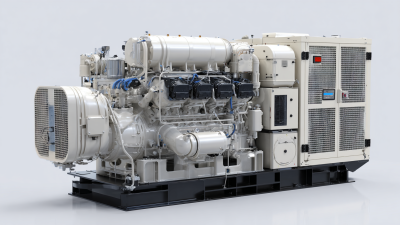
You know, the demand for Power Plant Diesel Generators is really picking up worldwide. People need dependable power sources more than ever. According to the International Energy Agency, global energy needs are expected to jump by about 30% by 2040, which means we’re gonna need more efficient diesel generators to keep up. Big players like Cummins and Caterpillar are pretty much leading the way, offering a bunch of high-quality generators suited for all sorts of power needs.

If you're into the market, it’s super important to get a handle on the current trends. I’ve read reports from MarketsandMarkets that say the diesel generator market could hit around USD 26 billion by 2026. That’s a huge opportunity for importers around the world! But honestly, picking the right Power Plant Diesel Generator isn’t always a walk in the park. You’ve gotta think about things like how much load it can handle, how fuel-efficient it is, and what kind of maintenance it might need.

A lot of folks focus mainly on price, which makes sense to some extent, but don’t forget—skimping on quality isn’t usually the way to go. Investing in something reliable might cost a bit more upfront, but it pays off in the long run with lower operational risks and savings over time. Things are constantly changing in the power generation world, so staying informed really helps. Having a solid strategy can make all the difference in choosing the best generator for your specific needs and making sure you're not caught off guard down the line.

Power Plant Diesel Generator Buying Guide for Global Importers?

Understanding Diesel Generators: Types and Applications

Diesel generators are essential for various applications across the globe. They provide reliable power for remote areas, construction sites, and emergency backup. Understanding the different types can help importers make informed decisions. There are two main types: stationary and portable. Stationary units are often used in facilities, while portable ones offer flexibility for temporary projects.

Different applications can affect generator selection. For instance, industrial uses demand heavy-duty models. Residential setups may require smaller, quieter options. Factors like voltage requirements, power capacity, and fuel efficiency must be considered. Importers should also be aware of the environmental impact of diesel generators. Emissions regulations vary, and compliance is crucial for long-term operations.

Choosing the right diesel generator is not always straightforward. The market is flooded with options, leading to confusion. Importers may overlook maintenance needs or fuel availability. An informed choice involves not just specifications, but also local resources and support. This reflection on purchasing decisions is vital for lasting benefits.

Key Specifications to Consider When Buying Diesel Generators

When looking to purchase diesel generators for power plants, several key specifications must be taken into account. These components directly impact efficiency and reliability. Capacity is crucial; determine your energy needs before selecting a generator. It’s not just about the maximum power output; you need to consider your average load as well. This is often overlooked, leading to purchases that either underperform or waste energy.

Fuel efficiency stands out as an essential factor. Generators should minimize fuel consumption while providing the necessary power. Look for models with high thermal efficiency ratings. Maintenance requirements can affect long-term costs, so inquire about service intervals and ease of access to components. Some users may underestimate the importance of having a reliable supply chain for spare parts. This oversight can lead to prolonged downtimes.

Noise levels are another aspect that should not be ignored. Adhering to local regulations on sound is paramount, especially in populated areas. Many importers fail to fully appreciate the ongoing operational costs related to noise management. While warranties can lend a sense of security, they won't cover all issues that may arise post-purchase. Understanding these specifications enhances the buying process for diesel generators, ensuring a smarter investment.

Evaluating Power Output and Efficiency in Diesel Generators

When considering diesel generators, power output and efficiency are critical. Output capacity defines the generator's ability to handle electrical loads. It is measured in kilowatts (kW) or megawatts (MW). Assessing expected load requirements will guide buyers in selecting suitable generators. A generator with insufficient capacity can lead to failures and damage. Thus, careful calculations of power needs are essential for a flawless operation.

Efficiency, on the other hand, impacts long-term operational costs. It reflects how well a generator converts diesel fuel into usable energy. Higher efficiency means less fuel consumption for the same output. This is particularly important in regions where fuel costs fluctuate significantly. Evaluating a generator's thermal efficiency and load response helps in making a prudent investment.

Buyers should also consider the generator's performance in varying conditions. Diesel generators can underperform in extreme temperatures. This variability raises questions about consistency. It is advisable to research performance ratings and customer reviews. Although compliance with standards often ensures quality, real-world testing reveals true capabilities.

Assessing Reputation and Reliability of Diesel Generator Brands

When considering diesel generator brands, assessing their reputation and reliability is crucial. It’s essential to understand the brand’s history and market presence. Reliable manufacturers often have a long track record of performance. They contribute to significant projects worldwide, establishing trust among users. Many brands issue warranties, which can indicate confidence in their products. Check customer reviews and testimonials for firsthand insights.

Another key point is the availability of parts and service. Reliable brands usually have an extensive network for maintenance and support. This ensures that you can get repairs done quickly, minimizing downtime. It’s wise to inquire about their customer service responsiveness. Sometimes, a brand may have a good reputation, yet their support is lacking.

It’s also helpful to analyze the technology used in the generators. Brands that invest in research and development tend to produce more efficient products. However, even established brands can have flaws. An occasional defect might arise in their manufacturing process. Being aware of this can prepare you for any unforeseen issues. Active engagement in forums can provide insights into such experiences.

Import Regulations and Compliance for Diesel Generators

Importing diesel generators involves navigating complex regulations and compliance standards. Understanding these requirements is crucial for global importers. The International Energy Agency (IEA) reports that diesel generators contribute significantly to energy sectors worldwide. However, stringent regulations exist to ensure environmental protection and safety.

Regulatory compliance varies by region. For instance, in the European Union, diesel generators must comply with the EU's Emission Standards. These standards limit nitrogen oxide (NOx) and particulate matter emissions. Non-compliance could lead to hefty fines or the rejection of import applications. A report from the World Health Organization highlights that diesel emissions can cause severe health impacts, emphasizing the need for strict adherence to regulations.

Documentation is another critical aspect. Importers need to provide specific certificates such as emission compliance and safety standards. The lack of proper documentation can delay shipments. Additionally, some countries require importers to follow local regulations for installation and operation. Familiarizing oneself with these detailed requirements can prevent costly mistakes, enhancing overall import success.

Cost Analysis: Budgeting for Purchase and Maintenance

When considering a diesel generator for power plants, budgeting is crucial. The initial purchase price is only part of the equation. Installation costs can vary widely based on site conditions and necessary infrastructure. Importers should also factor in transportation fees, which can also add up quickly.

Maintenance costs are often overlooked but are essential for long-term financial planning. Regular upkeep is necessary to ensure efficiency and durability. Spare parts, service contracts, and unexpected repairs can strain the budget. It can be wise to set aside a maintenance fund, ideally 10-15% of the total investment annually.

Energy efficiency should not be ignored. Investing in a higher efficiency generator may mean a steeper upfront cost. However, it can lead to significant savings on fuel and operational expenses in the long run. Evaluating total cost of ownership helps in making an informed decision. Seek expert advice on potential hidden costs and lifecycle factors that may affect your budget. Establish a clear financial plan to avoid surprises.

Tips for Finding Trusted Suppliers and Manufacturers

Finding trusted suppliers and manufacturers for diesel generators is crucial for global importers. The global diesel generator market is projected to reach USD 24 billion by 2027. With this growth, the number of suppliers has increased, making it easy to find options. However, not all suppliers are reliable. Conducting thorough research can mitigate risks.

Start by evaluating potential suppliers' credentials. Look for certifications such as ISO 9001, which indicates a commitment to quality. A recent report noted that about 65% of companies prioritize sourcing from certified manufacturers. Additionally, visiting production facilities can provide insight into their operations and reliability. Personal inspection fosters connections that online communications cannot replicate.

Consider supplier reviews and testimonials from previous customers. A trusted supplier often has a history of satisfied clients. However, be cautious of overly positive reviews that may seem too good to be true. Gathering feedback from different sources can help balance perceived reliability. Engage with trade associations or attend industry expos. Networking offers opportunities to learn directly from other importers about their experiences.

FAQS

: What are the main types of diesel generators?

: The two main types are stationary and portable. Stationary units are fixed, while portable ones can be moved easily.

How does application affect generator selection?

Different applications require different generators. Industrial uses need heavy-duty models. Residential setups often demand quieter options.

What factors should be considered when choosing a diesel generator?

Consider voltage requirements, power capacity, and fuel efficiency. Also, evaluate local resources and support for maintenance.

Why is power output important for diesel generators?

Power output defines the generator's capacity to handle electrical loads. Insufficient capacity may lead to failures or damage.

How does efficiency influence long-term costs?

Efficiency indicates how well the generator converts fuel into energy. Higher efficiency results in lower fuel consumption and costs.

What challenges do diesel generators face in extreme temperatures?

Performance can decline in extreme conditions. This variability may affect reliability and lead to inconsistent operation.

Why is regulatory compliance crucial for importing diesel generators?

Compliance with local emission standards is essential to avoid fines and ensure safety. Non-compliance can delay shipments.

What documentation is needed for importing diesel generators?

Importers must provide emission compliance and safety certificates. Proper documentation is vital to prevent shipment delays.

How can buyers ensure a generator's performance?

Research performance ratings and customer reviews. Real-world testing is crucial for understanding a generator's true capabilities.

What common oversights should importers avoid when purchasing?

Importers may overlook maintenance needs or fuel availability. Reflecting on these factors is important for informed decisions.

Conclusion

When considering the purchase of a Power Plant Diesel Generator, it is crucial to understand the different types and applications of these generators, as they vary significantly in performance and suitability for specific projects. Key specifications such as power output, efficiency, and fuel consumption should be carefully evaluated to ensure that the chosen generator meets the operational needs effectively.

Additionally, assessing the reputation and reliability of various diesel generator brands is essential for long-term satisfaction. Import regulations and compliance must be thoroughly researched to avoid potential legal issues. A detailed cost analysis that includes both purchase and maintenance expenses will aid in creating a realistic budget for prospective buyers. Finally, finding trusted suppliers and manufacturers will ensure that you acquire a quality Power Plant Diesel Generator that meets your specific requirements.

Ethan

Ethan

Ethan is a dedicated marketing professional at Jiangsu Longen Power Technology Co., Ltd., a premier generator manufacturer renowned for its exceptional design, manufacturing, sales, installation, and service of diesel generator sets. With a keen understanding of the industry, Ethan specializes in......
Previous Best Tower Obstruction Lighting Solutions for Global Buyers?