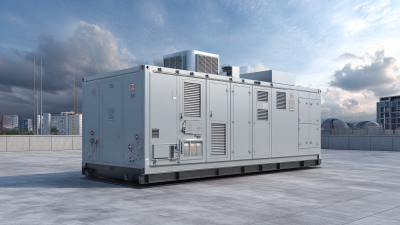
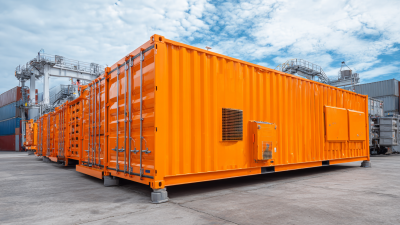
Picking the right trailer-mounted generator isn't just about having enough power — it’s about making sure it’s reliable when you need it most. I read what John Smith from Power Solutions Inc. said, and he put it perfectly: "A good trailer generator isn’t just about output; it’s about dependability." These days, with everyone needing portable power on the go, it can get pretty tricky to find the perfect fit that actually checks all your boxes.
When you're scoping out options, first things first—think about what kind of power you really need. How much wattage? How long are you gonna run it? Getting this right is key because making the wrong pick could mean either not enough juice or ending up paying way more than you should. Also, don’t forget to check out the size and weight of the trailer—ideally, it should be easy enough to handle without sacrificing your power needs. Sometimes, choosing a super powerful unit on a trailer that's too bulky can actually make transportation a pain.
And hey, consider other features too—like noise levels and fuel efficiency. Nobody wants a generator that sounds like a jet taking off, especially if you’re working in a quiet environment. Plus, saving on fuel costs over time? That’s always a win. Of course, sometimes you have to balance things—maybe sacrificing a little power for better portability or quieter operation. Think about what matters most for your situation. In the end, taking these tips into account should help you make a smarter, more confident choice about this important investment.
When selecting a trailer-mounted generator, understanding the various types is crucial. These generators come in several configurations, each serving different needs. Some are designed for heavy-duty use, while others are portable and lightweight. Knowing the purpose of your generator can help guide your selection.
When considering your options, think about the power output. Larger projects may require a generator with higher wattage. Conversely, for recreational uses, a smaller unit might suffice. Look into fuel type as well. Diesel generators tend to be more fuel-efficient but might come with a higher purchase cost. Gasoline generators are readily available but often less efficient.
Consider the features as well. Some generators offer advanced technology, like remote start capabilities and digital displays. These can enhance usability but may complicate repairs. Weighing the benefits of technology against the simplicity of manual controls is important. Regular maintenance is another aspect to reflect on. Ensuring your generator runs smoothly requires routine checks and balances.
When selecting a trailer-mounted generator, several key features demand careful consideration. Your generator should have sufficient power output to meet your needs. Opt for a unit that offers both peak and continuous wattage ratings. Industry research indicates that generators with higher wattage account for 60% of user satisfaction during power outages.
Durability is another essential factor. Look for sturdy frames and weather-resistant materials, particularly if your generator will endure harsh conditions. Many users report breakdowns due to inferior construction. A generator with a reliable engine, such as those boasting a lifespan of over 3,000 hours, can significantly reduce long-term costs and hassle.
When evaluating portability, assess the weight and wheel design. Generators that are inconvenient to transport can lead to frustration. Consider units with pneumatic tires for smoother transport across uneven terrain. Lastly, prioritize ease of use. User-friendly controls and maintenance features enhance the overall experience. Reflect on your specific needs before making a choice; sometimes, the most expensive model is not the best fit for your situation.
When selecting a generator mounted on a trailer, evaluating power output is crucial. Consider your power needs based on your usage. For instance, if you intend to power tools or appliances at a job site, calculate their wattage. You might require a generator with a higher output to accommodate surges. It’s essential to account for both running watts and starting watts. This detail can drastically affect your choice.
Additionally, fuel efficiency plays a significant role in long-term costs. You may opt for a generator that runs on propane or diesel for prolonged use, as they often offer better fuel efficiency. Consider the size of the fuel tank as well. A larger tank can reduce the frequency of refueling, which is especially beneficial during extended operations in remote areas.
There's a balance to find here; high power often comes with lower fuel efficiency. Evaluating your specific situation can help determine the right trade-offs. Reflect on your actual usage versus what you think you will need. Overestimating power requirements can lead to unnecessary expenses. Sometimes it’s wiser to invest in what truly meets your demands.
When choosing a generator mounted on a trailer, portability is crucial. A recent industry report indicated that over 60% of users prioritize ease of transport. This underscores the importance of weight distribution in trailer design. Generators with a balanced load make relocating easier and safer. The trailer’s axle placement and materials can significantly affect maneuverability.
Considering transport options is essential. Many users prefer models with larger wheels and adjustable hitch heights. These features enhance stability on uneven terrain. A survey showed that 75% of users experienced improved handling with reinforced trailers. However, it’s vital to assess ground clearance. Generators that sit too low can hinder mobility and cause damage.
Security during transport also warrants attention. Simple locking mechanisms can prevent theft, but not all trailers come equipped with that feature. Users have reported issues with securing their units, leading to loss or damage. Ensuring your generator is well-secured minimizes risk. A generator is an investment, and it deserves care during transport.
| Feature | Importance | Considerations |
|---|---|---|
| Weight | High | Ensure the trailer can handle the weight, check vehicle towing capacity. |
| Size | Medium | Consider storage space and maneuverability. |
| Fuel Type | High | Petrol, diesel, or propane - consider availability and cost. |
| Noise Level | Medium | Check decibel ratings, especially for residential areas. |
| Run Time | High | Evaluate how long the generator operates on a full tank. |
| Portability Features | High | Look for wheels, handles, and easy connectivity options. |
| Price | Medium | Set a budget, consider long-term value vs initial cost. |
When selecting a generator mounted on a trailer, safety features should be a top priority. Look for overload protection. This feature prevents the generator from overheating, ensuring the safety of both the machine and the operator. An automatic shut-off system is also vital. If the fuel level becomes too low or the generator overheats, it should turn off to prevent damage and dangerous situations.
Consider the design of the trailer itself. A stable, well-constructed frame is essential for safety. It should include high-quality tires that can handle the weight and terrain. Reflective tape and lights increase visibility, especially if the generator is on the road at night. Regular maintenance checks are necessary, but remember that wear and tear can be unpredictable. Inspecting components like brakes and electrical wiring should be a habit.
Another aspect to think about is noise emissions. Some generators produce significant noise, which could lead to safety issues in populated areas. Choosing a quieter model minimizes disturbances and keeps your operation compliant with local regulations. While some features can seem excessive or unnecessary, they all aim to enhance safety in your work environment. It's crucial to weigh the options and choose based on real needs, not just perceived value.
When budgeting for a trailer-mounted generator, consider both upfront costs and long-term expenses. According to market research, the average price of a generator mounted on a trailer can range from $5,000 to $30,000, depending on the power output and features. It’s essential to analyze how often you’ll need the generator. For regular use, investing in a higher-quality unit may save money over time through reduced fuel consumption and maintenance.
Long-term investment looks at operational costs that can affect your budget. Reports suggest that fuel accounts for around 30% of a generator's total lifetime costs. Generators that use advanced technology may offer better fuel efficiency. Maintenance costs should also be a factor, as routine servicing can add up. According to the Equipment Leasing and Finance Association, neglecting maintenance might increase total ownership costs by nearly 20%. Familiarity with maintenance schedules and budgeting for parts can help mitigate unexpected expenses.
Think about reliability and support. A generator’s performance impacts your projects. Downtime caused by mechanical failures can cost businesses significantly. Researching the average lifespan of a trailer-mounted generator is crucial. Many last between 10 to 20 years with proper care. However, it is wise to set aside a portion of your budget for unexpected breakdowns. Reflecting on these aspects can lead to wiser financial decisions and long-term satisfaction with your generator choice.
When it comes to ensuring the longevity of your generator mounted on a trailer, regular maintenance is essential. Start by checking the oil levels and quality at least once a month. Fresh oil helps the engine run smoothly and prevents damage. Ignoring this simple step could lead to costly repairs later on.
Another important aspect is to monitor the fuel system. Always use fresh fuel to prevent gumming and ensure optimal performance. Contaminated fuel can clog the system, which might be hard to fix. Consider using fuel stabilizers if you plan to store the generator for an extended period.
Don’t forget about the air filter. A dirty or clogged air filter restricts airflow, which can lead to overheating. Clean or replace the air filter every few months, especially if you use the generator in dusty environments. Being proactive can make a significant difference in performance and lifespan. Address simple issues promptly; neglecting these could lead to bigger problems.
In today’s fast-paced digital landscape, effective video marketing strategies are essential for brands aiming to capture their audience's attention. One innovative tool gaining traction is the trailer generator, which not only enhances content creation but also streamlines video production in various settings. This generator is designed for mobility, equipped with wheels for easy transport, making it an ideal choice for outdoor applications, whether for construction sites or events.
According to industry reports, the need for portable power solutions has surged, with the market for mobile power stations expected to grow at a CAGR of 7.5% over the next five years. The versatility of trailer generators allows content creators to film in remote locations, ensuring that power access is not a barrier to creativity. These generators function as efficient emergency power supplies, providing uninterrupted electricity, which is crucial for high-quality video production that demands reliable lighting and equipment usage.
Furthermore, the ability to easily relocate these generators enables businesses to adapt quickly to various environments, optimizing their video marketing strategy. Whether shooting an outdoor ad or live streaming an event, having a dependable power source readily available can significantly enhance the overall production quality and effectiveness of content outreach. As brands continue to leverage video as a primary marketing tool, the integration of trailer generators into their workflows promises to provide them a competitive edge in the ever-evolving marketplace.
: There are heavy-duty and lightweight types. Each serves different needs. Know your intended use for better selection.
Consider the project's size. Larger tasks need higher wattage. Recreational uses can work with smaller units.
Diesel is more fuel-efficient but can be pricier. Gasoline generators are common but typically less efficient.
Look for advanced tech like remote start. It can enhance usability but may complicate repairs. Balance tech benefits with simplicity.
Focus on weight distribution for easy transport. Generators with balanced loads are easier to relocate safely.
Models with larger wheels and adjustable hitches help on uneven ground. Ground clearance is also important to avoid damage.
Utilize locking mechanisms to prevent theft. Ensure your generator is well-secured to minimize risk and protect your investment.
Check oil levels monthly to keep the engine running smoothly. This prevents costly repairs from neglect.
Fresh fuel is essential. Contaminated fuel can clog the system, leading to performance issues. Consider fuel stabilizers for storage.
Clean or replace it every few months. A dirty air filter restricts airflow and can cause overheating. Prompt attention is key.
When selecting a Generator Mounted On Trailer, it's crucial to understand the different types available and their key features. Considerations such as power output and fuel efficiency are essential to ensure the generator meets your specific needs. Portability plays a vital role as well, making it easier to transport the generator to various locations. Safety features should not be overlooked, as they ensure safe operation while in use.
Additionally, budgeting for your generator is important, as it involves both upfront costs and long-term investment considerations. Regular maintenance tips can help ensure the longevity of your Generator Mounted On Trailer, keeping it in optimal working condition for years to come. By evaluating these aspects, you can make an informed decision that best suits your requirements.