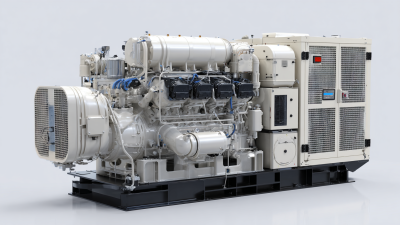
When you're into outdoor adventures, like camping or just need some backup power during emergencies, a super quiet small generator can really be a game changer. It strikes a good balance—portable enough to take anywhere, efficient, and pretty much silent, so you can enjoy your time without disturbing the peace around you. But here’s the thing: with so many options out there, picking the right one that fits your needs can feel pretty overwhelming.
So, in this guide, I’ll share my top 10 tips to help you make smarter choices when hunting for that perfect quiet generator. We’ll cover everything from figuring out how much wattage your devices need, to thinking about fuel efficiency and run time. Honestly, each of these aspects matters a lot if you want a generator that’s reliable and actually works for your particular setup. Follow these tips, and you'll have the info you need to find a generator that fits seamlessly into your lifestyle—making your adventures easier, quieter, and way more enjoyable.
Trust me, with a little knowledge, powering your outdoor fun or emergency plans will be smooth sailing!

Understanding the Importance of Quiet Generators for Small Spaces
In today's increasingly urbanized world, the demand for quiet generators has surged, particularly for those residing in small spaces. According to a recent industry report by the Portable Generator Manufacturers' Association, over 30% of consumers now prioritize noise levels when selecting a generator, emphasizing the necessity for low decibel operation in densely populated areas. Quiet generators, often rated under 60 decibels, offer a practical solution for powering essential appliances without disrupting the peace that families and neighbors have come to expect.
When considering the suitability of a generator for small spaces, understanding the implications of noise pollution is crucial. The World Health Organization has highlighted that exposure to noise levels above 55 decibels can lead to adverse health effects, including stress and sleep disturbances. Thus, opting for a super quiet generator not only enhances comfort in intimate living environments, but it also aligns with health recommendations for noise exposure. Moreover, as sustainable practices become more prevalent, the development of quieter technology is a significant step toward reducing the ecological footprint of portable power solutions, catering to a growing market that values both their well-being and that of the environment.
Top 10 Tips for Choosing the Best Super Quiet Small Generator
| Tip |
Description |
Noise Level (dB) |
Power Output (Watts) |
Fuel Type |
| Choose Inverter Generators |
Inverter generators produce cleaner power and are typically quieter. |
50-60 dB |
1000-2000 Watts |
Gasoline |
| Look for Soundproof Models |
Some models come with additional soundproofing materials that reduce noise further. |
45-55 dB |
800-1500 Watts |
Propane |
| Consider Weight and Portability |
A lightweight generator is easier to transport and store, especially in small spaces. |
60-65 dB |
600-1200 Watts |
Gasoline |
| Check Run Time |
Select a generator with a longer run time to minimize noise interruptions. |
50-55 dB |
700-1600 Watts |
Gasoline |
| Look for Eco-Friendly Options |
Models with lower emissions are better for the environment and often quieter. |
55-60 dB |
1000-3000 Watts |
Propane |
| Check User Reviews |
Reading reviews can provide insights into true noise levels and user satisfaction. |
54-62 dB |
900-2100 Watts |
Gasoline |
| Consider Dual Fuel Models |
Dual fuel generators offer flexibility and can often run quieter depending on the fuel type. |
50-56 dB |
800-2200 Watts |
Gasoline/Propane |
| Check for Outlets and Ports |
Ensure the generator has enough outlets for your needs without causing reliance on adapters. |
53-61 dB |
1000-2500 Watts |
Gasoline |
| Evaluate Warranty and Support |
A longer warranty can be indicative of confidence in the product’s performance. |
48-52 dB |
500-1500 Watts |
Propane |
Key Features to Consider When Selecting a Small Generator
When selecting a small generator, several key features should be taken into consideration to ensure that you choose the best option for your needs. Firstly, pay attention to the generator’s noise level. A super quiet generator should ideally produce less than 60 decibels, making it suitable for use in residential areas or during outdoor activities where noise could be an issue. Additionally, consider the generator's fuel efficiency and run time on a single tank. A generator that consumes less fuel while providing longer operation times is more economical and practical in the long run.
Another crucial feature is the generator’s power output. Assess the wattage requirements of the appliances or devices you plan to power. Generators come in various sizes, so understanding both starting and running wattage will ensure you can meet your power needs without overloading the unit. Moreover, portability is important, especially if you plan to use the generator for camping or in different locations. Look for lightweight models with ergonomic handles or wheels for easy transport. Lastly, evaluate safety features such as low-oil shutdown and circuit breaker protection, which can prevent damage to the generator and connected devices during operation.
Top 10 Tips for Choosing the Best Super Quiet Small Generator
Decibel Levels: What Makes a Generator Truly Quiet?
When considering a super quiet small generator, understanding decibel levels is crucial in determining what makes a generator genuinely quiet. Decibels (dB) measure sound intensity, and a lower dB rating indicates a quieter operation. Most conventional generators operate between 60 to 80 dB, which can be quite noisy, especially in residential or camping environments. In contrast, generators designed for quiet operation typically have a rating below 60 dB, making them a suitable choice for situations where noise could disturb others.
The technology used in quieter generators plays a significant role in their sound levels. Many of these models feature advanced muffler systems and sound-dampening materials that significantly reduce operational noise. Additionally, inverter generators, known for their stable power output and fuel efficiency, tend to produce less noise compared to traditional generator models. When evaluating a generator, it's essential to consider not only the decibel rating but also the environment in which it will be used, ensuring that it aligns with your noise tolerance levels and specific needs.
Fuel Efficiency: Maximizing Run Time While Minimizing Noise
When choosing a super quiet small generator, fuel efficiency should be a primary consideration for both performance and environmental impact. An efficient generator maximizes run time while minimizing the frequency of refueling, which not only saves time but also reduces the overall noise produced during operation. Generators that use advanced inverter technology often provide better fuel efficiency, allowing users to enjoy longer periods of quiet operation. These models adjust their engine speed based on the electrical load, ensuring minimal fuel consumption while still delivering the power needed.
In addition to the technology used, the type of fuel can significantly influence a generator's noise and efficiency. For instance, propane or natural gas generators tend to produce less noise compared to their gasoline counterparts. Furthermore, selecting a generator with a larger fuel tank can extend run time between refuels, ensuring uninterrupted power supply during essential activities. It's essential to recognize that a combination of quiet operation and efficient fuel use leads to a generator that not only serves its purpose but also enhances the overall user experience in any setting.
Portability and Size: Choosing the Right Fit for Your Needs
When choosing a super quiet small generator, portability and size play crucial roles in ensuring that you find the right fit for your needs. A generator’s weight and dimensions significantly impact its transportability, especially if you plan to take it on camping trips, use it for outdoor events, or simply store it at home. Look for lightweight options that can be easily maneuvered. Consider models with handles or wheels, as these features enhance mobility and make it easier to transport the generator from one location to another.
In addition to portability, size also matters when selecting a generator. Assess the space available for the generator and how often you will need to use it. A compact design often suits casual users who prioritize ease of storage, while those needing more power might have to compromise on size. However, it is essential to balance the size with the power output—too small might not meet your energy needs.
Understanding your specific requirements will help you find a generator that strikes the perfect balance between being super quiet, portable, and adequately sized for your applications.
Budget Considerations: Finding a Quiet Generator Within Your Price Range
When it comes to selecting a super quiet small generator, budget is often a primary concern for consumers, yet many fail to recognize the varied features that influence pricing. According to a report by the Consumer Product Safety Commission, the average price for compact generators ranges from $300 to $1,000, with noise levels often correlating with cost. Investing in a generator with a lower decibel rating can result in continuous operation without disturbing your surroundings, which is crucial for camping, emergency power, or quiet outdoor activities.
To navigate the price range effectively, consider the essential features you need versus the nice-to-haves. Look for models that offer inverter technology, which not only provides better fuel efficiency but also reduces noise levels significantly. Research shows that inverter generators can operate as quietly as 50 decibels, comparable to a normal conversation. Furthermore, ensure you check for extended warranties and customer service options, as these can save money in the long run.
Additionally, compare the runtime and fuel consumption of different models, as these factors directly affect your overall costs. Opt for generators that are known for their fuel efficiency and longer run times, which will mitigate frequent refueling expenses. When assessing your options, remember to factor in the potential savings on fuel alongside your initial investment to ensure you're making a financially sound decision.
User Reviews and Ratings: How They Influence Your Decision
User reviews and ratings play a crucial role when it comes to choosing the best super quiet small generator. These insights from actual users can provide a wealth of information that specification sheets and marketing materials often overlook. When browsing through reviews, look for recurring themes regarding noise levels, fuel efficiency, and overall performance. A generator that consistently receives high praise for being exceptionally quiet can be a great option for those sensitive to sound, especially for camping or residential use.
Tip #1: Pay attention to the number of reviews and the overall rating score. A product with hundreds of ratings often provides a more reliable picture than one with only a handful. Look for patterns in the feedback; low ratings might highlight issues like difficulty in starting or excessive noise despite claims of quiet operation.
Tip #2: Examine both positive and negative reviews. Understanding what users loved and what they felt fell short can guide your decision. If a particular issue is mentioned repeatedly, it’s something to consider carefully before making a purchase. Engaging with user comments can also help clarify any uncertainties about the product.
By focusing on user experiences, you’ll not only make a more informed choice but also increase your chances of selecting a generator that meets your quiet operation needs effectively.
FAQS
: The demand for quiet generators has surged due to the need for low noise levels in densely populated areas, with over 30% of consumers prioritizing noise when selecting a generator.
Quiet generators are typically rated under 60 decibels, which allows for powering essential appliances without disturbing the surrounding environment.
Exposure to noise levels above 55 decibels can lead to health issues such as stress and sleep disturbances, making low-noise generators crucial for comfort in small living spaces.
The development of quieter technology in generators aligns with sustainable practices, catering to consumers who value environmental well-being in addition to their comfort.
Super quiet generators operate at a decibel rating below 60 dB, while conventional generators usually range from 60 to 80 dB, making the latter noticeably noisier.
Quiet generators often utilize advanced muffler systems and sound-dampening materials which significantly reduce operational noise, along with inverter technology that ensures stable power output with less noise.
Considering the environment is essential to ensure the generator's noise level aligns with the user’s tolerance and specific needs, especially in residential areas where noise can be more disruptive.
Inverter generators not only produce less noise compared to traditional models, but they also offer stable power output and fuel efficiency, making them an ideal choice for various applications.
Conclusion
When selecting a Super Quiet Small Generator, it's essential to understand the unique benefits that quiet operation offers, especially in confined spaces. Key features to consider include decibel levels, which determine how silently a generator operates, and fuel efficiency, which enhances run time while minimizing noise.
Additionally, evaluating the portability and size of the generator is crucial to ensure it fits your specific needs, whether for residential use or outdoor activities. Budget considerations play a significant role in finding a quality generator without overspending. Lastly, user reviews and ratings can provide valuable insights, helping you make an informed decision based on the experiences of others. By focusing on these aspects, you can choose the best Super Quiet Small Generator for your situation.