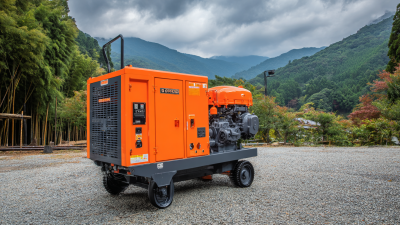
A diesel generator power plant is pretty much a key player when it comes to modern energy production. Basically, it runs on diesel engines to produce electricity efficiently. It takes the fuel’s energy, turns it into mechanical work, and then that gets converted into electrical power — pretty clever, right? Many industries depend on these plants as a backup power source to keep things running smoothly during outages. They're especially common in remote spots where the grid isn’t really an option, and because they’re portable, you’ll often see them at construction sites or outdoor events.
Of course, they’re reliable most of the time, but they aren’t perfect. Fuel prices can jump around, which can mess with your budget, and there’s also the environmental side to think about — emissions aren’t exactly green. So, it’s really about weighing the pros and cons carefully before going the diesel generator route. Knowing how these things work — and their potential downsides — can help you make smarter energy choices down the line.

What is a Diesel Generator Power Plant?
A diesel generator power plant is a facility that converts diesel fuel into electrical energy. These plants are often used for backup power. They provide electricity during outages or when the grid is unstable. Diesel generators are reliable, and they can be deployed quickly.
The main component of a diesel generator power plant is the engine. It burns diesel fuel to power a generator. This conversion is efficient, producing a significant amount of electricity from a limited fuel supply. The efficiency can vary, depending on maintenance and operating conditions. It’s crucial to monitor performance regularly.
Challenges exist with diesel power plants. Emissions from burning diesel can be harmful. Some facilities invest in technology to reduce this impact. Additionally, fuel storage poses risks, like leaks or spills. Regular inspections and safety protocols are essential to mitigate these risks. Diesel generators may not always be the cleanest option. Environmental considerations are becoming increasingly important in energy generation discussions.
Key Components of Diesel Generator Power Plants
Diesel generator power plants consist of several key components that ensure efficiency and reliability.
The heart of these facilities is the diesel engine, which converts fuel into mechanical energy. According to industry reports, a standard diesel engine can achieve an efficiency rate of 33-45%. This efficiency is crucial for minimizing fuel costs and maximizing output.
The alternator is another vital component. It transforms mechanical energy into electrical energy. High-quality alternators in diesel power plants typically operate at around 95% efficiency.
Furthermore, the cooling system is essential for maintaining optimal engine temperatures to prevent overheating. Failures in this system can lead to significant downtime. Monitoring systems, which use sensors, play a critical role in tracking performance and flagging issues before they escalate.
Fuel storage tanks are also essential. They ensure a steady supply of diesel fuel to the generators. A well-designed tank system reduces the risk of spillage and ensures compliance with environmental standards.
However, maintaining adequate fuel quality is often overlooked, leading to potential engine damage or reduced performance. Continuous education on these components and their maintenance is necessary for operators to optimize plant operation.
How Diesel Generators Convert Fuel into Electricity
Diesel generators are powerful machines that convert fuel into electricity. This process begins with the combustion of diesel fuel in a cylinder. The fuel-air mixture ignites, pushing a piston down. This linear motion is crucial; it transforms the chemical energy of the fuel into mechanical energy.
The piston is connected to a crankshaft, which turns rotational energy into electric energy. The high-speed rotation drives an alternator, generating electricity efficiently. Each component plays a role in ensuring the generator operates smoothly. Yet, sometimes, these systems can malfunction. Regular maintenance is needed to prevent failures.
Moreover, factors like fuel quality can impact performance. If the fuel contains impurities, the combustion may not be complete. This can lead to lower efficiency and increased emissions. Understanding these nuances helps in optimizing the generator's performance. It’s essential to recognize that while diesel generators are robust, they require careful monitoring to ensure reliability.
The Operation Process of Diesel Generator Power Plants
Diesel generator power plants convert diesel fuel into electrical energy. This process begins with the engine, which burns diesel to create mechanical power. The engine connects to a generator, where the mechanical energy transforms into electrical energy.
The operation process can be complex. After starting the engine, it reaches its optimal speed. The alternator then produces electricity. This electricity can be used immediately or stored for future use. An air intake, fuel system, and cooling system work together to maintain efficiency. Monitoring is crucial; operators must ensure everything runs smoothly.
Tip: Regular maintenance can extend the lifespan of diesel generators. Check filters and oil levels consistently.
Unexpected issues may arise. For example, fuel quality can affect performance. Contaminated fuel can cause operational problems. Operators must conduct thorough fuel checks.
Tip: Use diesel fuel additives to enhance performance. They can help reduce wear and tear on the engine.
Advantages of Using Diesel Generator Power Plants
Diesel generator power plants offer several advantages that enhance energy reliability and efficiency. One key benefit is their ability to provide power rapidly. These plants can be operational within minutes, making them ideal for emergencies or situations where immediate electricity is needed. Their quick startup is crucial for industries that rely on constant power to avoid costly downtimes.
Another important advantage is fuel efficiency. Diesel generators can produce more energy per unit of fuel compared to other fuel sources. This means that even in remote locations, where fuel supply might be limited, diesel generators can sustain operations effectively. However, it’s essential to recognize that maintenance needs are higher for these plants. Regular checks are necessary to ensure their optimal performance.
Moreover, diesel generators have a relatively compact design, making them suitable for various settings, from construction sites to residential areas. Their portability allows for flexible deployment, widening their applications. Yet, there's a growing concern about emissions, prompting a need for improved technologies to address environmental impacts. Balancing efficiency and sustainability remains a challenge worth considering.
What is a Diesel Generator Power Plant and How Does It Work? - Advantages of Using Diesel Generator Power Plants
| Aspect |
Details |
| Definition |
A diesel generator power plant converts diesel fuel into electrical energy through combustion in diesel engines. |
| Components |
Diesel engine, alternator, fuel system, cooling system, and exhaust system. |
| Operation Principle |
Diesel engines ignite fuel to generate power, which is then converted to electricity by the alternator. |
| Fuel Efficiency |
Diesel generators are known for their high fuel efficiency compared to other generator types. |
| Advantages |
Reliable power supply, cost-effectiveness, and adaptability for various applications. |
| Applications |
Used in industries, hospitals, data centers, and for backup power in homes. |
| Environmental Considerations |
Emissions and noise pollution are concerns; modern generators incorporate technologies to mitigate these issues. |
Applications of Diesel Generator Power Plants in Various Industries
Diesel generator power plants play a vital role in numerous industries. They provide reliable energy, especially in areas lacking access to a stable power grid. In construction, for example, these generators are crucial. They power equipment on job sites where electricity isn't available. This ensures operations run smoothly and efficiently.
In healthcare, diesel generators serve as backup power sources. Hospitals depend on them during outages to keep equipment running. This protects patient safety and maintains critical functions. Moreover, in the agricultural sector, these generators support irrigation systems and heavy machinery. They enable farmers to remain productive, regardless of the external power supply.
Despite their advantages, there are challenges. Diesel generators can be noisy and produce emissions. Industries must find ways to mitigate these effects. Regular maintenance is essential to ensure durability and efficiency. Operators should reflect on their environmental impact and explore cleaner alternatives when possible.
Maintenance and Efficiency of Diesel Generators
Maintenance is crucial for diesel generators. Regular checks increase the efficiency and longevity of these machines. Monitoring fuel quality helps prevent engine contamination. A clean fuel system can drastically enhance performance.
Routine oil changes are necessary. Used oil can lose its effectiveness, leading to increased friction. This could cause overheating. Keeping the engine cool is essential for optimal performance. Inspecting the cooling system should be part of regular maintenance.
Mechanical components also need attention. Worn-out parts can lead to unpredictable failures. Regularly checking belts and hoses prevents unexpected downtime. Efficient generators depend on close inspections. Maintenance may require time and effort, but it pays off in the long run. It ensures reliable and efficient operation.
Efficiency of Diesel Generators by Load Factor
This bar chart illustrates the efficiency of diesel generators at various load factors. As the load factor increases, the efficiency of the generator typically rises, peaking at an optimal point before leveling off or declining slightly.
FAQS
: The main component is the diesel engine, which converts fuel into mechanical energy.
A typical diesel engine can achieve an efficiency rate of 33-45%.
The alternator transforms mechanical energy into electrical energy, typically operating at around 95% efficiency.
The cooling system maintains optimal engine temperatures to prevent overheating and ensure efficient operation.
Poor fuel quality can lead to incomplete combustion, decreasing efficiency and increasing emissions.
Regular maintenance helps prevent failures, enhances efficiency, and prolongs the lifespan of the generator.
A cooling system failure can lead to significant downtime and potential engine damage.
Good fuel storage ensures a steady supply and reduces the risk of spillage, but fuel quality must be maintained.
Operators often overlook maintaining fuel quality, which can lead to engine performance issues.
By closely monitoring all components and performing routine checks, operators can enhance reliability and efficiency.
Conclusion
A Diesel Generator Power Plant is a facility that utilizes diesel engines to generate electricity, serving as a reliable energy source for various applications. Key components of these plants include the diesel engine, alternator, fuel system, and control panel, all working together to efficiently convert diesel fuel into electrical energy. The operation process involves the combustion of diesel fuel, which powers the engine, subsequently driving the alternator to produce electricity.
Diesel Generator Power Plants offer several advantages, such as high efficiency, quick start-up times, and portability. They find applications across diverse industries, including construction, agriculture, and emergency power supply, where uninterrupted energy is critical. Regular maintenance is essential to ensure their efficiency and longevity, making them an integral part of energy solutions in many sectors.