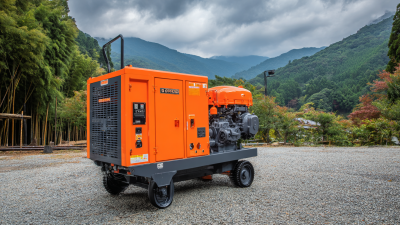
Choosing the right Diesel Generator Power Plant isn’t something to take lightly. You want a setup that’s reliable and keeps things running smoothly. After all, it plays a crucial role across different sectors—whether it’s manufacturing, healthcare, or others. The key is understanding exactly what your power needs are. Take a good look at your load requirements so you can pick a generator that really fits your demands.
The market’s pretty crowded with options, but not all generators are created equal. There are so many brands and models out there, each with their own features. It’s worth doing some research—look for reputable manufacturers who have a solid track record. Their experience can really help you make a smarter choice. And don’t hesitate to chat with industry experts if you’re unsure about anything.
A lot of factors come into play when making your decision—cost, efficiency, ease of maintenance, you name it. Sometimes the cheapest option might seem tempting, but it could cause headaches down the line. Think of a Diesel Generator Power Plant as more than just a quick fix; it’s an investment. So, take your time, weigh all your options, and don’t rush the process. Getting it right can really boost your operational efficiency and cut down on unexpected downtime in the long run.
Understanding your power needs is essential when selecting a diesel generator power plant. According to industry research, around 40% of businesses underestimate their energy requirements. This can lead to selecting a generator that is either too small or excessively large. The right size is crucial for efficiency and cost-effectiveness.
Calculate your peak load requirements. Use the formula: total wattage of all equipment. Take into account starting and running watts to avoid performance issues. A study by the International Energy Agency highlights that most commercial setups require an additional 20% capacity for unexpected surges. Oversizing can result in wasted fuel and increased emissions.
Consider the runtime demands of your operations. Some industries rely on continuous operation, while others need backup during outages. The average runtime can range from 8 to 24 hours, depending on usage. Regular monitoring of your power needs can ensure that your generator remains aligned with operational requirements. Evaluating these factors will help in making a more informed choice, reducing the chances of costly mistakes.
When selecting a diesel generator power plant, fuel efficiency plays a crucial role. Diesel generators can vary significantly in how much fuel they consume under similar loads. A highly efficient generator can lead to substantial cost savings over time. Look into the generator’s fuel consumption rates, usually measured in liters per hour. This gives you an idea of how it performs relative to the power it produces.
In addition to fuel consumption, consider the generator’s operating conditions. Different environments affect efficiency. Factors such as altitude and temperature can change how well a generator runs. Some generators perform poorly in extreme conditions. Regular maintenance also influences efficiency. A generator that is well-maintained typically runs more efficiently.
It’s vital to understand the specifications and capabilities before making a decision. A generator seeming efficient in reports might perform differently in real-life scenarios. Ask for feedback from users in similar settings. Knowledge from real-world experiences is invaluable. Comparisons between models based on efficiency ratings can sometimes gloss over vital nuances. Always probe deeper into specifics before finalizing your choice.
When choosing a diesel generator power plant, evaluating power output ratings and specifications is critical. Diesel generators are known for their reliability and efficiency. However, not all generators are built equally. The power output is typically measured in kilowatts (kW) or megawatts (MW), and understanding these figures is essential for meeting energy demands.
A report from the International Energy Agency indicates that the global demand for electricity is expected to rise by 25% by 2040. Thus, selecting a generator with proper output capacity is vital. For instance, a residential setting may require a generator capable of producing 5 kW for basic needs. In contrast, industrial applications may need upwards of 500 kW. It's important to calculate maximum load requirements accurately. Oversizing a generator can lead to higher operational costs and inefficiencies.
While diesel generators offer benefits, they are not free from environmental concerns. The emissions from diesel can be significant. It’s essential to check the generator’s emissions specifications against local regulations. Additionally, some reports suggest that the total cost of ownership includes not only fuel consumption but also maintenance and potential emissions penalties. Therefore, weighing these factors against the specifications will help in making an informed decision.
When selecting a diesel generator power plant, size and space requirements are crucial. Start by assessing your power needs. Calculate the wattage required to run essential equipment. This helps determine the generator's capacity. Space constraints should also be considered. Is there enough room for ventilation? What about maintenance access? These factors influence your choices significantly.
Installation requirements can vary greatly. Some installations need a solid foundation. Others may require specific clearances for safety. Check local regulations as well. Ignoring these details might cause issues later. Proper placement can enhance efficiency and prolong the generator's lifespan. Remember, a compact layout can sometimes lead to overheating.
Choosing the right size is not just about power. It’s about finding a balance. Too small, and you risk overloading. Too large, and you waste fuel. Reflect on your future needs as well. Power requirements can change, especially in growing businesses. Planning ahead saves time and resources down the line.
When selecting a diesel generator power plant, assessing reliability is critical. According to industry reports, around 20% of generator failures are due to inadequate maintenance. Regular servicing can prevent unexpected outages. Ensuring adequate maintenance needs can also enhance the lifespan of the generator. Generators that undergo consistent check-ups can operate efficiently for over 10,000 hours without major issues.
Maintenance tasks should include oil changes, fuel filter replacements, and coolant checks. A study found that proper maintenance reduces operational costs by 30%. However, some operators overlook these requirements. Ignoring basic maintenance can lead to catastrophic failures. This highlights the importance of a well-structured maintenance schedule.
Generator reliability also hinges on the quality of components. Low-quality parts increase the likelihood of downtime. Industry data indicates that over 50% of unscheduled outages result from component failures. Thus, investing in high-quality components is essential, as it correlates directly with reduced maintenance needs. Decision-makers must weigh the costs of quality versus potential losses from poor reliability.
When selecting a diesel generator power plant, noise levels and environmental regulations are crucial factors. Diesel generators can produce significant noise, often exceeding 85 decibels at full capacity. This noise can disturb nearby communities and may violate local noise ordinances. According to the Environmental Protection Agency (EPA), prolonged exposure to noise levels above 70 decibels can lead to health issues, including stress and hearing loss.
Meeting environmental regulations is essential for any power plant. Each state has its own emission standards for diesel generators. Many facilities now utilize advanced technologies to reduce emissions. A report from the International Energy Agency (IEA) indicates that employing selective catalytic reduction (SCR) systems can cut nitrogen oxide (NOx) emissions by up to 90%. However, these systems increase initial project costs and may not always be feasible in all locations.
Investing in soundproof enclosures for generators can mitigate noise issues. These enclosures can reduce sound output by 20 to 30 decibels. Yet, they require space and can add complexities to maintenance. Understanding the balance between performance, regulatory compliance, and community impact is vital. This ensures that your diesel generator solution is effective and responsible.
When considering a diesel generator power plant, budgeting plays a pivotal role in decision-making. The initial purchase price is just the beginning. Many factors will affect long-term operational costs, so don't overlook them. Fuel efficiency is critical. Using a generator with better fuel consumption can lead to significant savings over time. Regular maintenance is another crucial aspect. Neglecting maintenance can result in higher costs later on.
Evaluate your specific power needs carefully. A generator exceeding your requirements will lead to wasted resources. Additionally, consider installation costs. Proper installation ensures efficiency and safety. An improperly installed generator may cause issues and incur higher operational expenses.
Lastly, assess the overall operational environment. Extreme weather can impact performance. Factors like temperature and humidity may require additional investments in protective measures. Always account for these variables in your budget. The best approach is to create a detailed financial plan, considering both immediate and future expenses while allowing for unexpected situations.
| Criteria | Details | Initial Purchase Cost ($) | Long-term Operational Cost ($/year) |
|---|---|---|---|
| Power Output | Choose based on the maximum demand. | 10,000 | 1,500 |
| Fuel Efficiency | Look for generators with high fuel efficiency ratings. | 12,000 | 1,200 |
| Maintenance Requirements | Consider ease of maintenance. | 8,000 | 800 |
| Noise Level | Select models based on noise regulations. | 15,000 | 1,000 |
| Portability | For mobile applications, consider weight and size. | 5,000 | 600 |
When selecting a large power diesel generator, particularly within the range of 1320KW to 2800KW, understanding your specific needs is vital to making an informed decision. The diesel engine sector emphasizes reliability and efficiency, two key attributes that significantly impact operational costs and environmental sustainability. According to recent industry reports, modern diesel generators are designed with advanced fuel management technologies that optimize fuel consumption, which can lead to up to 20% savings in fuel expenses compared to older models.
In addition to fuel efficiency, it's crucial to consider the generator's intelligent control systems. These systems not only enhance performance but also allow for better monitoring and management of the generator's operation. Utilizing real-time data analytics, users can tailor operations to maximize effectiveness while minimizing wear and tear, thus extending the lifespan of the equipment. Industry studies have shown that organizations using generators equipped with such technology report better reliability rates and decreased downtime, which are essential factors in maintaining productivity levels.
Furthermore, selecting a generator that aligns with your operational requirements will ensure that you are equipped to handle varying loads without compromising performance. This adaptability is especially important in sectors that experience fluctuating energy demands, allowing for scalability and efficient energy management. Investing in a high-quality diesel generator designed for heavy-duty applications not only supports immediate power needs but also bolsters long-term operational efficiency and reduces environmental impact—key considerations in today's energy-conscious landscape.
: Fuel efficiency impacts costs significantly. An efficient generator saves money over time.
High altitudes and extreme temperatures can reduce efficiency. Some generators struggle in tough conditions.
Regular maintenance ensures better efficiency. Neglect can lead to decreased performance and higher costs.
Knowing output ratings helps you meet energy needs. Oversizing can lead to inefficiencies and costs.
Always compare emissions specifications with local rules. Non-compliance can lead to penalties and increased expenses.
Correct sizing prevents overloading or fuel waste. Space for ventilation and maintenance access is also vital.
Assess wattage for essential equipment. This will guide you in choosing the right generator capacity.
Overlooking installation details can lead to serious issues. Proper placement affects performance and lifespan.
Planning for growth is important. Future requirements can change, impacting efficiency and operations.
Ignoring real-world feedback and rushing decisions can lead to costly errors. Research thoroughly before committing.
Choosing the right Diesel Generator Power Plant requires a thorough understanding of your power needs. Assessing the required capacity and load will help ensure that the generator can meet your energy demands efficiently. Evaluating fuel efficiency is crucial, as it directly impacts operational costs; therefore, consider different diesel generators and their performance metrics.
Additionally, analyzing power output ratings and specifications allows for informed decision-making while accounting for the physical space and installation requirements is essential to avoid logistical issues. Reliability and maintenance needs should also be carefully assessed, as these factors contribute to the overall longevity and effectiveness of the generator. Lastly, exploring noise levels and compliance with environmental regulations can lead to a more sustainable operation, while budgeting appropriately for both the initial investment and long-term costs will ensure the economic viability of your Diesel Generator Power Plant.