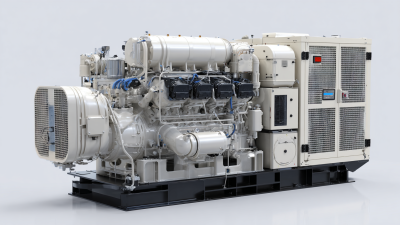
Lately, there's been a real uptick in the demand for Diesel Generator Power Plants. You know, especially with how many sectors are really feeling the energy crunch. I read somewhere that, according to MarketsandMarkets, the global diesel generator market is expected to hit around USD 27.2 billion by 2026—wow, that’s pretty significant! It really shows how much folks are leaning on backup and primary power solutions these days, especially in developing countries and big industrial setups. Companies like Caterpillar and Cummins are definitely the heavy hitters here—they really emphasize reliability and efficiency, which is a must-have in this game. But, honestly, picking the right Diesel Generator Power Plant isn’t just about crunching numbers or technical specs. You’ve got to think about your energy needs, environmental rules, and the ongoing costs too. It’s not always straightforward. Sometimes, folks get it wrong and end up with a setup that’s not quite right, leading to wasted money and inefficiencies. Plus, jumping into the wrong tech could mean missing the boat on cleaner, more sustainable options that are gaining traction. With the market changing so fast, staying in the loop is pretty much essential if you want to make good decisions and set yourself up for the long haul.

Understanding Diesel Generators: Basics and Functionality
Understanding diesel generators is crucial for making informed purchasing decisions. These machines convert diesel fuel into mechanical energy, which powers electrical generators. The process involves combustion in cylinders that drives pistons. This energy then gets converted into electrical energy through an alternator. It's a reliable option for backup power and often used in remote areas lacking grid access.
When considering a diesel generator, evaluate its efficiency and fuel consumption. Different models vary significantly in these aspects. A capable generator should perform well under load while minimizing fuel usage. Maintenance is another essential factor. Regular checks on filters and oil levels can prolong the generator's lifespan. Users often overlook the importance of this maintenance, leading to unexpected failures.
Furthermore, noise levels can be a concern. Some generators operate noisily, which may not be suitable for all environments. Choosing a generator designed for quiet operation might be worth the investment. It's crucial to balance power needs and sound restrictions to find a suitable generator. Assessing these features during the buying process can significantly enhance your experience and satisfaction with your choice.
2026 Diesel Generator Power Plant Data Overview
Key Factors to Consider When Buying a Diesel Generator
When considering a diesel generator for your power plant, several key factors come into play. The generator's capacity is paramount. You need to assess the total energy requirement of your operation. It should exceed your peak demand but not be excessively oversized. An oversized generator can lead to inefficiency and higher operating costs.
Fuel efficiency is another critical factor. Look for a generator that optimizes fuel consumption. Increased fuel efficiency translates to reduced operational costs over time. However, finding the balance between efficiency and enough power is essential. There might be models that seem ideal but could underperform under heavy loads.
Maintenance requirements cannot be overlooked. Some generators have straightforward maintenance routines, while others may require specialized knowledge. This can impact your operational downtime. Regular maintenance helps avoid unexpected failures, but tracking these can be cumbersome. Choose generators that offer easy accessibility to components, simplifying routine checks and servicing.
Managing noise levels can also be crucial. Environments with stringent noise regulations may mandate quieter models. Many generators come with soundproof enclosures, but these can add to the overall cost. Be prepared for trade-offs between cost and compliance. Have a clear plan for this aspect early in your selection process.
Assessing Power Requirements for Your Power Plant Needs
When selecting the right diesel generator for your power plant needs, assessing power requirements is crucial. Understanding the load demand is the first step. Calculate the total wattage needed during peak usage. This includes both continuous and surge loads. A common mistake is underestimating these figures, which could lead to operational failures. Keeping track of energy consumption patterns will provide insights into your actual needs.
Additionally, consider the power factor, which measures efficiency. A power factor less than one indicates wasted energy. This can impact the size of the generator you'll require. Documenting historical power usage helps in making accurate assessments. It can reveal trends, seasonal changes, and unexpected spikes. Evaluate local regulations and environmental impacts too. Sometimes, certain restrictions can alter your choices.
Another key factor is the type of fuel. Diesel generators come with different fuel consumption rates. Understanding this can aid in budgeting for operational costs. Maintenance is also vital. Regular checks and services ensure longevity and reliability. Make a schedule for routine inspections. The reality is that neglect can lead to breakdowns and costly repairs. Knowledge of your specific requirements will lead to a more informed and sensible choice in generator selection.
Evaluating Diesel Generator Brands and Models Available in 2026
When evaluating diesel generator brands and models available in 2026, it’s crucial to consider reliability and efficiency. According to a recent market analysis by the International Energy Agency (IEA), diesel generators are projected to account for approximately 15% of total global power generation by 2026. This growth highlights the importance of selecting high-quality brands that meet industry standards.
Performance metrics are essential. Key features to assess include fuel consumption, power output, and maintenance requirements. Data from industry reports indicates that generators with higher efficiency ratings can save up to 20% on fuel costs over their lifetime. Model comparisons show a significant variance in durability, with some brands lasting nearly twice as long as others in intensive use scenarios. This endurance data can be a game-changer for operational planning.
Noise levels and environmental impact also warrant attention. With stricter regulations emerging, understanding emissions ratings will become more important. Some models may struggle to comply with new standards. Inconsistencies in documentation often complicate buyers’ decisions. Evaluating these aspects thoroughly can lead to a more informed purchase, aligning with both budget constraints and sustainability goals. Balancing these factors might not yield the perfect solution but striving for informed choices will enhance operational success in the long run.
Maintenance and Support Essentials for Diesel Generators
Maintaining diesel generators is crucial for their longevity and efficiency. Regular inspection helps identify issues early. A monthly check includes looking at fluid levels, battery condition, and fuel quality. Some operators overlook these elements, leading to larger problems down the line. Keep a detailed maintenance log to track performance trends and servicing dates.
Support for diesel generators often requires specialized knowledge. Operators should consider training sessions for their team. Understanding how each component works enhances troubleshooting skills. Inexperienced individuals may miss simple fixes, wasting time and money on repairs. It’s beneficial to have a trusted technician available for emergencies, ensuring swift resolution of any issues.
Over time, even well-maintained generators can show signs of wear. Components may need replacement after thousands of operating hours. Developing a replacement schedule helps minimize downtime. Relying solely on manufacturer recommendations can lead to missed opportunities for proactive care. Regularly revisiting and adjusting your maintenance and support strategy keeps your generator running smoothly.
Cost Analysis: Budgeting for Purchase and Operation
When budgeting for a diesel generator power plant, it's crucial to consider both initial purchase costs and ongoing operational expenses. A recent industry report indicates that the average cost of a diesel generator can range from $15,000 to $100,000, depending on size and specifications. However, the real cost extends beyond the purchase price. Fuel, maintenance, and labor can add 30-50% more to your expenses annually.
Operating a diesel generator involves regular maintenance. Neglecting this can lead to unplanned repairs, which are costly. An average generator maintenance can run between $1,500 and $3,500 per year, not including parts. If you’re planning a long-term investment, keep an eye on fuel costs. Diesel fuel prices fluctuate, impacting your operational budget. An effective strategy is to account for at least a 10% rise in fuel costs annually.
Consider assessing local fuel prices regularly. It’s beneficial to conduct a thorough analysis and calculate total cost of ownership over the generator’s lifespan. Another area for reflection is the potential need for upgrades and compliance. Environmental regulations are continually changing, so ensuring your equipment meets current standards can mitigate unexpected expenses.
2026 Top Diesel Generator Power Plant Buying Guide - Cost Analysis: Budgeting for Purchase and Operation
| Attribute |
Value |
| Generator Power Output |
500 kW |
| Fuel Type |
Diesel |
| First Year Purchase Cost |
$50,000 |
| Annual Operating Cost |
$12,000 |
| Maintenance Cost (Annual) |
$3,000 |
| Expected Lifespan |
20 years |
| Fuel Consumption |
15 L/h |
| Noise Level |
75 dB |
| Warranty Period |
2 years |
Environmental Regulations and Compliance for Diesel Generators
As environmental concerns grow, the regulations for diesel generators have become stricter. The U.S. Environmental Protection Agency (EPA) reports that new standards have cut emissions of nitrogen oxides (NOx) and particulate matter (PM) significantly. These emissions have been reduced by nearly 90% for newly manufactured diesel engines since 2004, highlighting the importance of compliance.
However, companies still face challenges in meeting these regulations. Many facilities have older generators that do not meet current standards. Upgrading these systems can be costly and complex. In fact, a 2022 industry report found that nearly 30% of existing diesel generators require retrofitting to comply. This creates an ongoing need for operators to strategize their investment in technology.
Moreover, there are financial implications tied to environmental compliance. Non-compliance can lead to hefty fines and operational shutdowns. In 2023, the average penalty for violations was reported to be over $50,000. Businesses must understand that adhering to these regulations is not just about avoiding penalties; it is about sustainability and corporate responsibility. Balancing operational needs and environmental standards will be a critical focus for power plants moving forward.
FAQS
: Regular maintenance ensures longevity and efficiency. It helps identify issues before they escalate into larger problems.
Monthly checks should include fluid levels, battery condition, and fuel quality. Neglecting these can lead to costly repairs.
Training enhances understanding of components. This improves troubleshooting skills and prevents wasting resources on unnecessary repairs.
Signs of wear after thousands of hours of operation may indicate the need for replacement. A schedule can help manage this process.
Consider both purchase costs and ongoing expenses like fuel, maintenance, and labor. Total costs can exceed purchase price significantly.
Neglecting maintenance can lead to unplanned repairs. This can increase annual costs significantly, making it a risky strategy.
Fuel costs fluctuate. It’s wise to prepare for at least a 10% annual rise in fuel prices when budgeting for operations.
Regularly assessing local fuel prices helps manage operational costs. It aids in accurate budgeting and maintaining financial efficiency.
Changes in regulations can lead to unexpected expenses. Ensuring compliance with current standards helps mitigate such costs.
Solely relying on manufacturer guidelines may overlook proactive care opportunities. A flexible maintenance strategy is important for optimal operation.
Conclusion
The "2026 Top Diesel Generator Power Plant Buying Guide" offers comprehensive insights into the essential elements of selecting and operating a diesel generator power plant. It begins by outlining the fundamental concepts and functionality of diesel generators, crucial for understanding their role in power generation. Key factors to consider when purchasing include power requirements, maintenance needs, and the availability of various brands and models in the market.
The guide emphasizes the importance of evaluating your specific power plant needs, assessing the capabilities of different diesel generator options, and understanding the associated costs for both purchase and operation. Moreover, it addresses the necessity of adhering to environmental regulations and compliance standards, ensuring that your diesel generator power plant operates efficiently and responsibly in today's regulatory landscape.