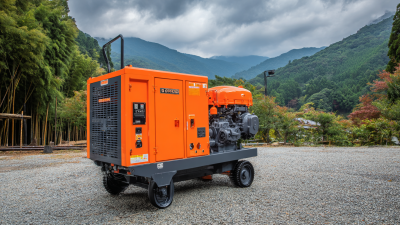
Picking the right diesel generator power plant? That's a pretty important step if you want things to run smoothly and reliably. I remember John Doe from PowerTech Solutions mentioning once that choosing the right generator can really make a difference when it comes to how much you spend in the long run. It just shows how crucial it is to make an informed decision.
Honestly, there's a lot to think about. First off, you gotta figure out what your actual power needs are. If you buy something overkill, you’re just throwing money away. Then, it’s worth looking at how fuel-efficient the units are—sometimes spending a bit more upfront on a smarter, more efficient generator can save you loads over time. Don’t forget to consider noise levels and how much maintenance it’ll need; these little details can make a big difference.
I won’t lie, it can feel pretty overwhelming trying to pick the right one. It’s easy to overlook something important when you’re rushing through the decision. A lot of folks jump into it without thinking twice, which can lead to regret later on. So, take your time, do your homework, and don’t be shy about chatting with pros who really know their stuff. In the end, finding the right diesel generator power plant means having a dependable backbone for your work—something you can count on day in and day out.
Understanding your power requirements is crucial when selecting a diesel generator power plant. Start by assessing your energy consumption. Calculate the total wattage of all your essential equipment. This includes machinery, lighting, and HVAC systems. Understanding this gives you a baseline for your generator's capacity.
Consider the operating conditions too. Are you using the generator for backup power, continuous operation, or peak shaving? Each scenario has different demands. For instance, continuous operation requires a robust generator that can handle high loads over long periods. On the other hand, backup power needs might be less demanding.
Take time to reflect on future growth as well. Will your power needs increase? If so, factor this into your calculations. It's easy to underestimate. You want a machine that can expand with your demands. Often, buyers focus too narrowly on current needs, forgetting that technology and production can change rapidly. A generator that seems sufficient now may quickly become inadequate.
When selecting a diesel generator power plant, several key factors must be considered.
The power output is crucial. Assess your load requirements, both peak and average.
Think about future needs, too. It’s better to choose a generator that exceeds your current demand. A generator that is too small may lead to frequent overloads
and shorten its lifespan.
Fuel efficiency is another essential aspect. A generator should be cost-effective over time. Higher efficiency reduces fuel consumption. This can lead to significant savings, especially in large-scale operations. Regular maintenance is important to maintain efficiency. Maintenance practices can often be overlooked, but they are vital for optimal performance.
Location and environmental conditions also influence your choice. Fuel availability varies by region.
Consider the climate and possible challenges like extreme temperatures. These factors can impact your generator's performance.
Noise level may be an issue, too, so it’s worth noting how this might affect nearby operations.
Making informed choices ensures your diesel generator serves your needs effectively. The right fit can enhance reliability and reduce risks in the long term.
Choosing the right diesel generator power plant hinges significantly on fuel efficiency and operating costs. Efficient generators not only save on fuel but also impact long-term expenses. Reports show that diesel generators generally achieve fuel consumption rates between 0.3 to 0.5 liters per kWh. This efficiency can translate into reduced operational costs, making it a critical factor for businesses.
An analysis by the International Energy Agency highlights that, while diesel generators have a higher initial cost, their fuel efficiency can offer considerable savings over time. Operating costs can range widely; the average price of diesel fuel fluctuates, creating uncertainty. Regular maintenance is essential, as it can prevent fuel inefficiencies, which sometimes arise from wear and tear. Investing in quality fuel filters and regular inspections can help.
Despite their advantages, diesel generators have limitations. They can be noisy and produce emissions that might not comply with stricter regulations. Evaluating the location and usage intensity is crucial to mitigate these issues. Reflections on past choices can provide insights into selecting the right generator to meet unique needs effectively. Balancing efficiency with other factors is vital for a sound investment decision.
When selecting a diesel generator power plant, understanding capacity and performance ratings is crucial. Generator capacity, often expressed in kilowatts (kW), determines how much power a generator can deliver. According to the International Energy Agency (IEA), ensuring proper load calculations can prevent oversizing or undersizing, which might result in inefficient operation.
Performance ratings provide insights into fuel efficiency and runtime. An efficient diesel generator typically maintains an operational efficiency of around 90%. However, it's important to consider factors like ambient temperature and load variation. These variables significantly affect performance and can lead to suboptimal energy output if not addressed.
Unexpected downtime can arise from inadequate maintenance and oversight. A study by the Diesel Technology Forum suggests that regular inspection and servicing can enhance reliability and performance by up to 20%. This emphasizes the need for a thorough evaluation of potential operational challenges, especially in remote or demanding environments. Thoughtful assessment of both capacity and performance can guide users to make informed choices.
This bar chart illustrates the capacity ratings of various sizes of diesel generators. It helps in identifying the appropriate generator size based on your power needs, ensuring efficient and reliable performance.
When considering diesel generators, understanding the types available is crucial. The two main categories are portable and stationary generators.
Portable diesel generators are great for temporary power needs. They are versatile and can be moved to different locations. However, they may not provide the same reliability as stationary units for long-term use.
Stationary diesel generators are designed for permanent installations. They offer higher power outputs and are ideal for large facilities. These units often include features like automatic transfer switches. This means they can start up without manual intervention during an outage. However, installation can be complex, requiring professional assessment.
Fuel efficiency and capacity are other essential factors. Smaller generators consume less fuel, but may not suffice for extensive power needs. In contrast, larger units can handle significant demands but may be costlier. Evaluating your power needs is vital. The wrong choice can lead to inefficiencies and increased operational costs. Explore your options diligently to make an informed decision.
When selecting a diesel generator power plant, maintenance and reliability are critical factors. A power plant’s performance heavily relies on its upkeep. Frequent inspections help identify potential issues before they escalate. This proactive approach can save significant costs in repairs and downtime. Fluid levels, filter conditions, and overall cleanliness should be monitored regularly. Simple checks can prevent major failures.
Reliability is not just about having backup power. It’s about ensuring that your generator can handle load demands consistently. A well-maintained generator should start precisely when needed. Delays can lead to operational chaos. You might consider scheduling maintenance during off-peak hours to minimize disruptions. However, the challenge lies in balancing routine maintenance with production schedules. It’s essential to find a workable plan.
Dependence on diesel power means preparation for unexpected failures is necessary. Keeping spare parts readily available can help address unforeseen breakdowns swiftly. Training staff in basic maintenance can also enhance reliability. Unexpected issues may arise that require immediate attention. Having a clear maintenance strategy benefits all users in the long run, leading to enhanced performance and reduced risks in critical situations.
When selecting a diesel generator power plant, it is essential to compare suppliers and options carefully. Industry reports indicate that the global diesel generator market is expected to grow by 4.5% annually through 2028. This growth highlights the importance of making informed choices.
Begin by assessing your specific power needs. Look for suppliers with a solid reputation. A supplier’s expertise can greatly influence your project’s success. Consider their technical support and warranty options. The average warranty period in the industry ranges from one to five years. This timeframe can provide crucial insights into a supplier's confidence in their products.
Next, evaluate the generator's efficiency and fuel consumption rates. Reports show that high-efficiency models can save users up to 30% in fuel costs over their lifetimes. Compare performance specifications but also pay attention to noise levels and emissions. Disregarding these factors can lead to regulatory issues. Ultimately, a well-rounded approach will help you find the right generator for your needs, balancing cost, efficiency, and environmental impact.
| Criteria | Option A | Option B | Option C |
|---|---|---|---|
| Power Output (kW) | 100 | 150 | 200 |
| Fuel Efficiency (L/h) | 10 | 12 | 15 |
| Noise Level (dB) | 80 | 75 | 70 |
| Maintenance Cost ($/year) | 500 | 600 | 700 |
| Initial Cost ($) | 10,000 | 12,500 | 15,000 |
| Warranty Period (years) | 2 | 3 | 4 |
High output diesel generators play a pivotal role in ensuring reliable power supply across various industries. The demand for dependable and efficient power solutions has led to significant advancements in generator technology. Modern high output diesel generators utilize digital control systems that enhance efficiency, improve fuel economy, and minimize emissions. Reports indicate that businesses across sectors such as hospitality, retail, and manufacturing increasingly rely on these generators for both temporary and standby power applications due to their outstanding performance and durability.
A key benefit of high output diesel generators is their remarkable fuel efficiency. According to industry studies, advancements in engine design and combustion processes have resulted in reduced fuel consumption rates of approximately 15-20% compared to older models. This not only correlates with lower operational costs but also aligns with the global push towards eco-friendly equipment. Moreover, these generators are engineered to operate under diverse conditions, showcasing impressive stability and reliability that are crucial for uninterrupted power supply in critical operations.
The versatility of high output diesel generators is another compelling feature. They are designed to meet the power needs of large facilities, ensuring that essential services remain operational during outages. Whether deployed in industrial settings or as emergency backup for commercial establishments, these generators provide steadfast performance coupled with lower carbon emissions, reflecting a growing commitment to sustainable practices in the energy sector. As the demand for eco-conscious power solutions rises, high output diesel generators remain at the forefront, offering an efficient response to modern energy challenges.
: Focus on fuel efficiency, operating costs, noise levels, and emissions. Evaluate your power needs carefully.
Regular maintenance and using quality fuel filters can prevent inefficiencies. This saves money over time.
Consumption rates range from 0.3 to 0.5 liters per kWh, influencing long-term expenses significantly.
Long-term savings can outweigh higher initial costs, especially with efficient models. Consider overall financial impact.
A trusted supplier often ensures better technical support and warranty options, leading to more successful projects.
Warranties typically range from one to five years. A longer warranty suggests supplier confidence.
Assess your usage location and intensity. Mitigating emissions helps comply with environmental regulations.
Noise can affect your operations. Evaluate sound levels to avoid disruptions and regulatory issues.
Yes, they can save users up to 30% in fuel costs throughout their lifespan. This can be a smart investment.
Reflecting on past selections can guide you in making effective choices for future generator needs.
When selecting a Diesel Generator Power Plant, it is crucial to first understand your specific power requirements to ensure that the generator meets your energy demands. Key factors to consider include fuel efficiency, operating costs, and the generator's capacity and performance ratings. Evaluating these elements will help in balancing operational expenses with the necessary power output.
Additionally, it is important to explore the different types of diesel generators available to determine which best fits your needs. Maintenance and reliability are also vital, as they impact long-term performance and ownership costs. Finally, choosing a reputable supplier and comparing various options will enable you to make an informed decision that aligns with your operational goals and budget constraints.